As fuel prices rise again, Iran’s government urges citizens to cut back
 08 September 2026
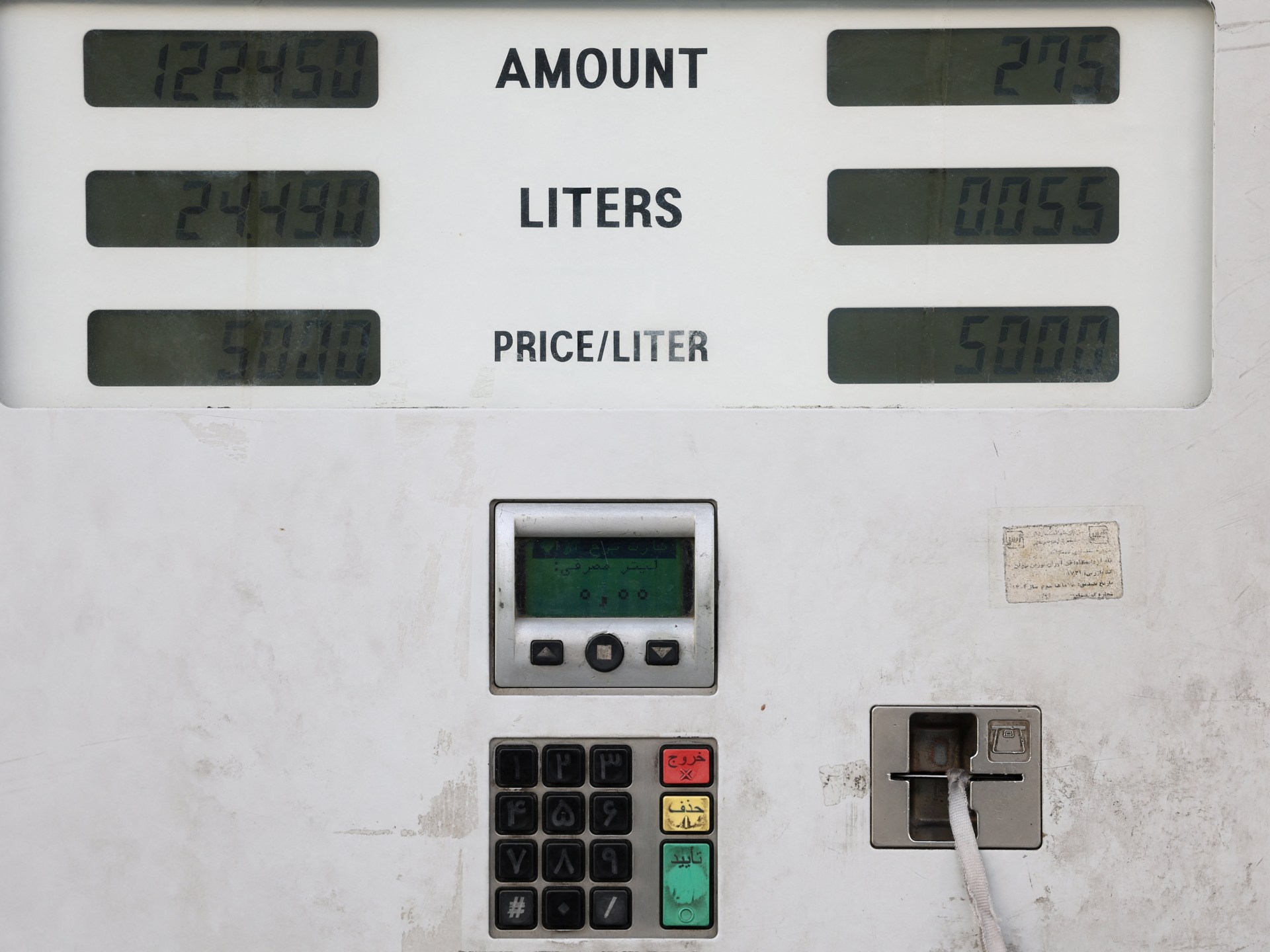

Iran has raised petrol prices for motorists again as the government struggles to manage declining revenues and sustain a costly subsidy regime.
The price of petrol will remain the same for the first 60 litres (16 gallons), state media reported, but there will be a higher price bracket for the next 50 litres (13 gallons). Prices will double from 50,000 riyals to 100,000 riyals ($0.07) per litre (0.3 gallons) for motorists who consume more than 110 litres (29 gallons) a month.
- list 1 of 3Iran and Ukraine wars: Why ship fuel is running short, and why it matters
- list 2 of 3Iran President Pezeshkian calls for unity as US ramps up economic pressure
- list 3 of 3Oil prices surge as US-Iran strikes intensify in Strait of Hormuz
end of list
Iran has some of the lowest petrol prices in the world, but due to ongoing economic difficulties amid the war with the US, including punishing sanctions and a siege on Iranian ports by US forces, Iranian officials have for months considered adjusting fuel subsidies to make up for lost revenues.
“If we consume it properly, we can manage with the amount of gasoline we produce in the country,” Mohammad Bagher Ghalibaf, speaker of the Iranian parliament, said in a TV address earlier this month. “What is clear is that we need to save gasoline in our consumption. Of course, part of the responsibility for this high consumption does not lie with our people; it lies with our industry.”
Iran depends on oil exports for about 90 per cent of its budget, but these have declined from about 4 million barrels per day (bpd) to about 2.2 million bpd in August. The country is also consuming more oil than it produces domestically.
In a sign of the energy crisis, videos circulating on social media reportedly show long queues at petrol stations in Tehran.
Advertisement
It is the second time petrol prices have increased since December, with concerns about further increases prompting unrest.
Huge antigovernment protests in late December 2022 and early 2023 started after anger over fuel price increases. Iranians are already feeling the impact of a downturn in economic activity, high inflation, and a drop in the value of the rial.
Related News
Malaysia declares emergency in Sarawak as haze from Indonesia worsens

Billionaire Leon Black sues US congressional panel over Epstein subpoena
Yemen government forces claim control of Mount Qarfan in Taiz