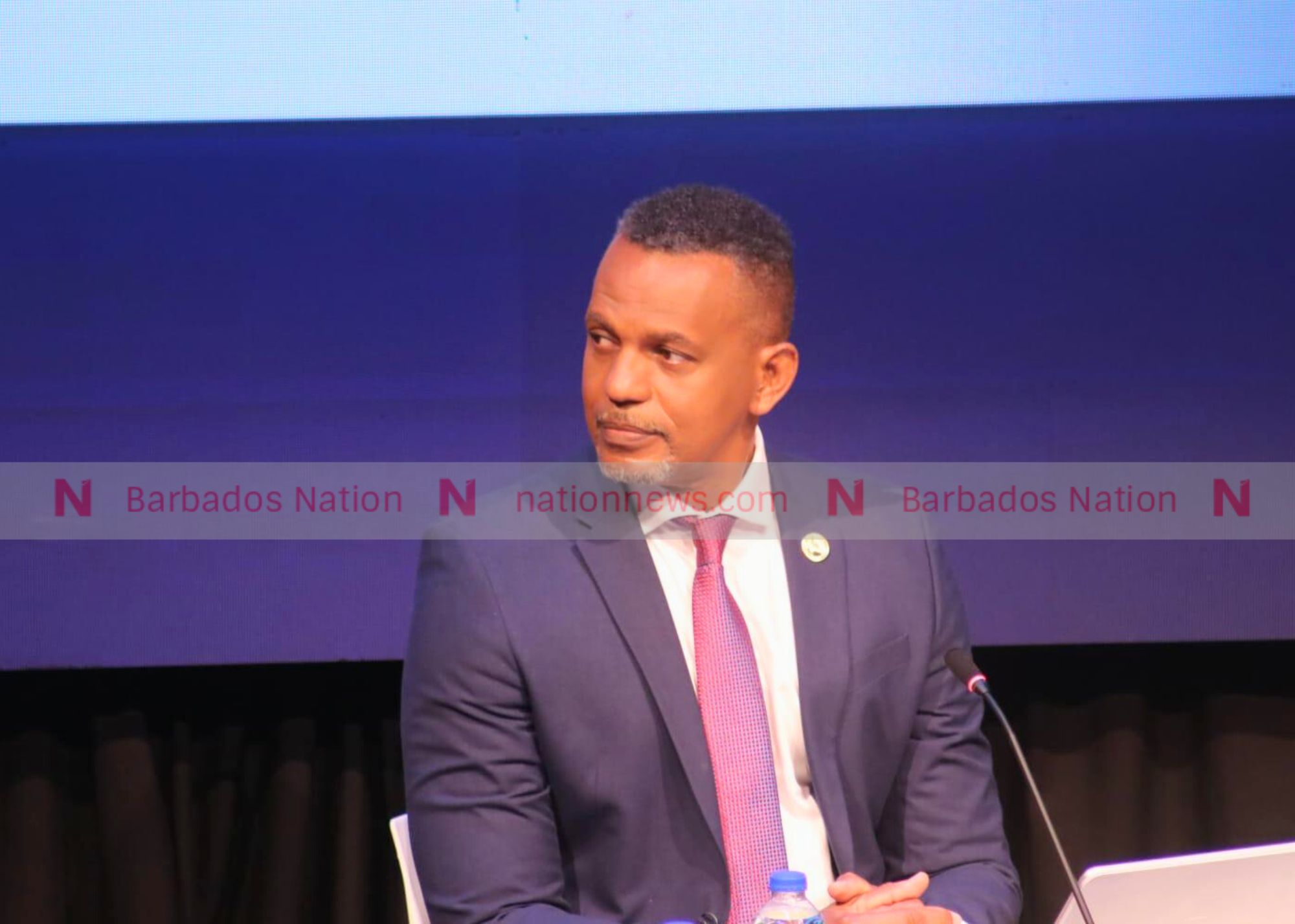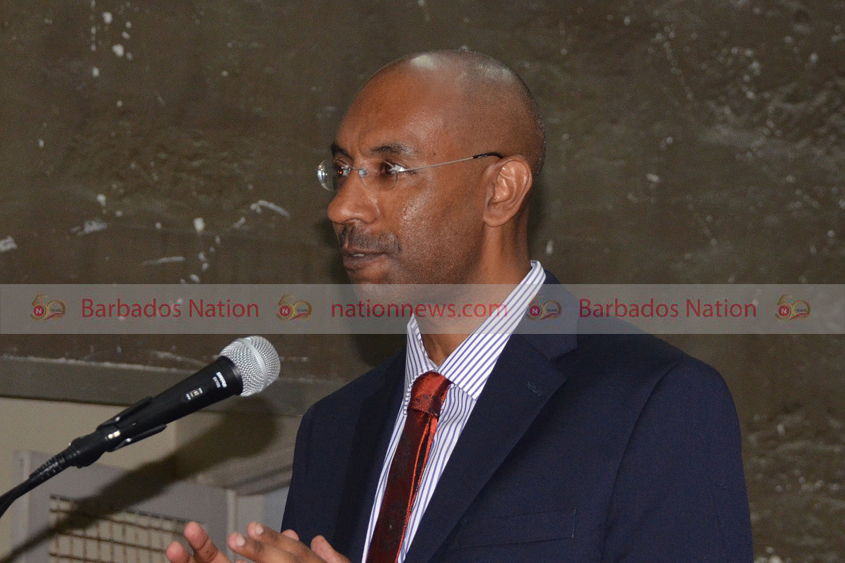

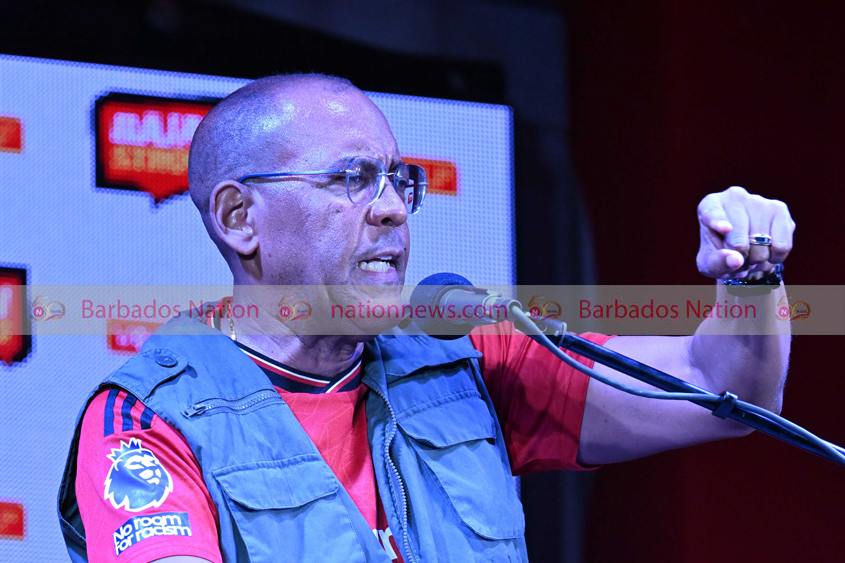

Barbados Labour Party (BLP) candidate for St James Central, Kerrie Symmonds, has urged voters to back the party’s slate, arguing that its economic record and new housing and small-business initiatives mark a decisive shift toward empowering ordinary Barbadians.
Speaking at a political meeting at Wotton Playing Field, Christ Church on Sunday night, Symmonds told supporters that communities across the island shared the same struggles and aspirations.
“If you know Haynesville, you know Haynesville look a lot like this and if you know Redmans Village, you know Redmans Village look a lot like here.”
He said the BLP, led by Prime Minister Mia Amor Mottley, was prepared to take Barbados “where no other party” was willing, but stressed that doing so required returning the party to office.

A major focus of Symmonds’ address was a strong appeal for the re-election of Ryan Straughn, the BLP candidate for Christ Church East Central. Describing Straughn as “a brilliant young man” and “very capable”, Symmonds told the crowd: “I want to stop at this point to beg you to put Ryan Straughn back in the people’s Parliament.”
He credited Straughn with helping to stabilise an economy the BLP inherited in 2018.
“From Day 1, when we came into Government, the cupboard was bare. There was nothing there,” Symmonds said, adding that Barbados was then “the third most indebted country on planet Earth”.
Pointing to improvements since then, he noted that public debt had been reduced from about 178 per cent of GDP to roughly 98 per cent, while foreign exchange reserves had grown from “three weeks of import money” to more than 30 weeks. He also highlighted labour market gains, telling supporters that unemployment, once in the double digits, now stood at about 6.1 per cent . . . “the lowest it has ever been in the history of this country.”