

Two Iranian men have been found guilty of spying for Tehran by a court in the United Kingdom after being accused of conducting surveillance on several people, including journalists for a Persian-language broadcaster in London.
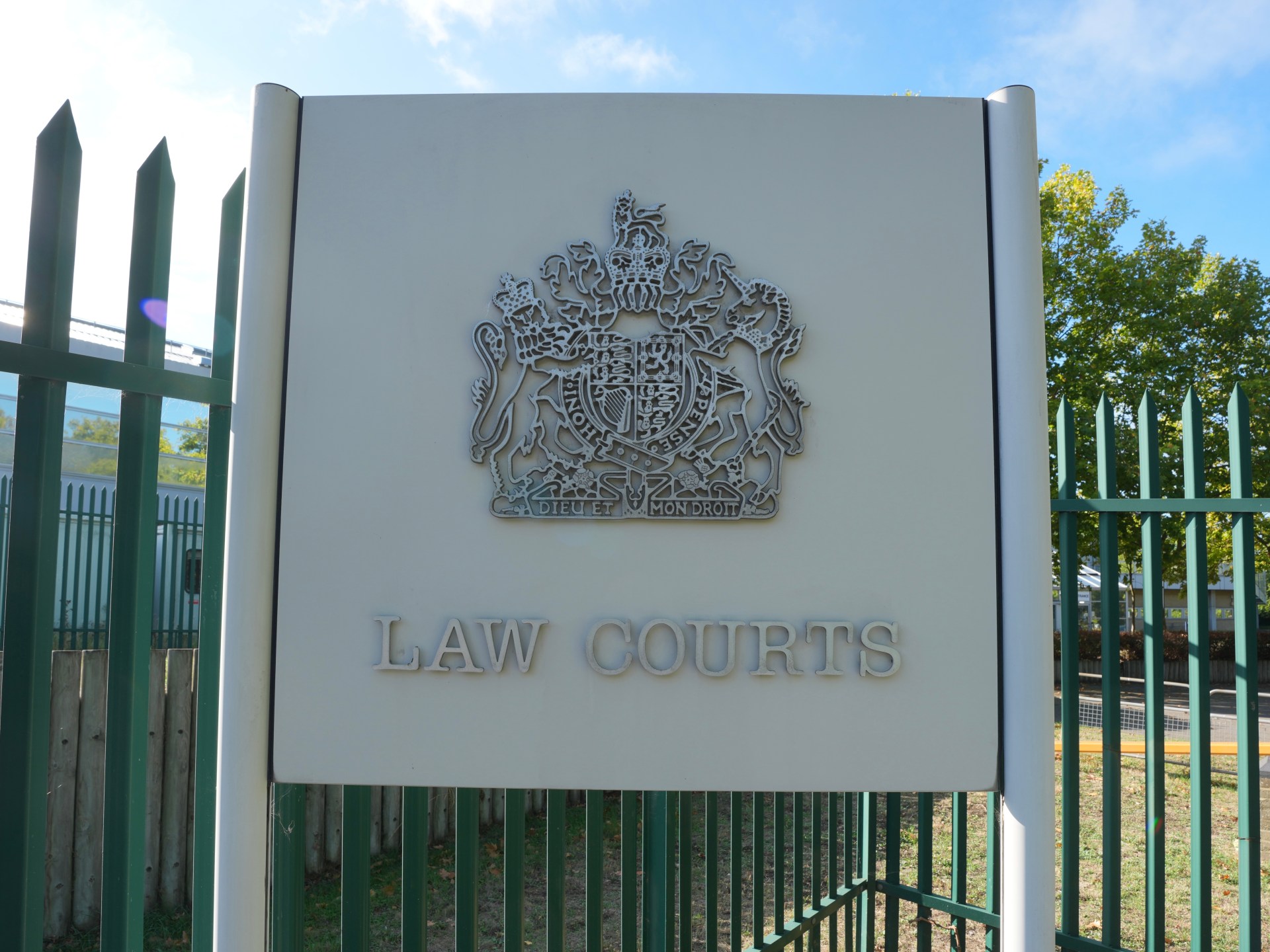
Mostafa Sepahvand, 41, and Farhad Javadi Manesh, 46, were convicted on Thursday following a six-week trial at Woolwich Crown Court in south London for engaging in conduct likely to assist Iran’s intelligence service in a bid to inflict violence on “subjects” in the UK.
- list 1 of 4If hackers can take over a supermarket fridge, what else is at risk?
- list 2 of 4Iran denies talks with US, says Hormuz will stay shut until demands are met
- list 3 of 4Schools across Italy evacuated after receiving email bomb alerts
- list 4 of 4From the UK to the Gulf, are US overseas bases becoming liabilities?
end of list
These included journalists for Iran International, Mojtaba Pourmohsen and Kambiz Hosseini, and a founding member of UK Lawyers for Israel, Jonathan Turner. Iran International is banned by the government in Tehran.
A third defendant, Shapoor Qalehali Khani Noori, 57, was acquitted on all charges.
Iran’s Islamic Revolutionary Guard Corps (IRGC) was outlawed by the UK in July under new powers to counteract state threats, with penalties of up to 14 years in prison for anyone convicted of supporting or assisting the organisation.
“This was a calculated operation to spy on those critical of the Iranian regime,” Frank Ferguson, chief prosecutor for the Crown Prosecution Service’s special crime and counterterrorism division, told reporters.
He said the pair were promised rewards to send intelligence back to Iran, while Sepahvand was willing to go beyond surveillance to commit a “violent attack” against at least one of the targets.
London’s Metropolitan Police said this was the fourth case in recent years involving direct threats to Iranian journalists in the UK and that it is “working hard to keep them safe”.
Advertisement
“The threat from hostile states to the UK is increasing and Iran continues to adapt its approach to using ‘proxies’,” said Vicki Evans, deputy assistant commissioner at the Met.
“We have seen examples where people who fly into the country to carry out criminal activity and then leave shortly afterwards, others where they use British nationals or, in this case, Iranian nationals with settled immigration status,” she added.
Most recently, Iran has been linked with a plot against a United States-run military airbase in England.
Sepahvand and Manesh were accused of visiting addresses linked to their targets, taking photos and videos and using platforms such as ChatGPT to research them online.
The pair will be sentenced at London’s Central Criminal Court, better known as the Old Bailey, on December 17.
Related News
UN warns of security risks in Western Sahara as peacekeeping mission ends
US appeals court sceptical of Trump’s lawsuit over California voter rolls
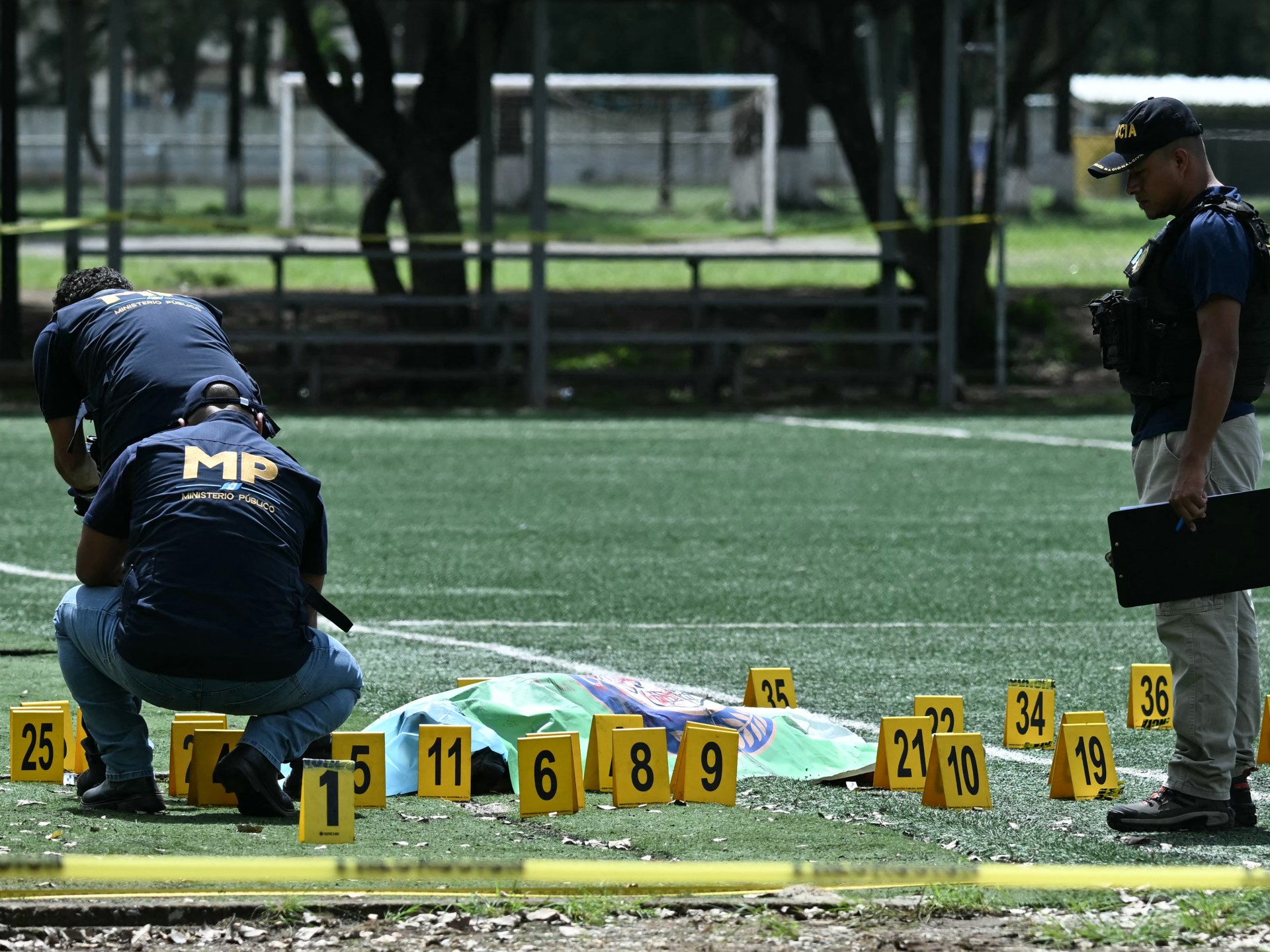
Guatemalan former prosecutor shot dead at sports centre