
Myanmar-linked arsenic pollution prompts clean water scramble in Thailand
 18 November 2026
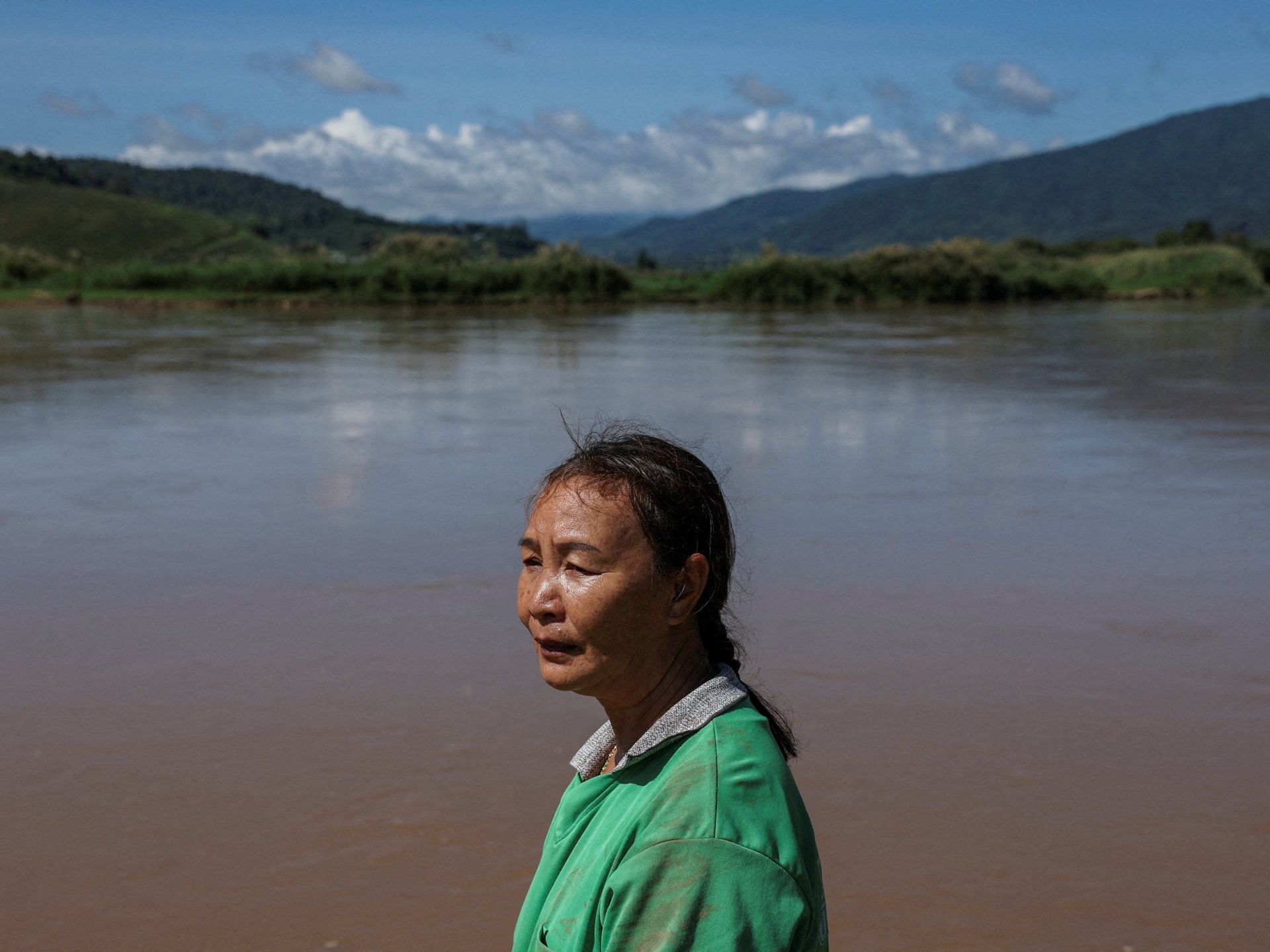

Thai government authorities have raced to provide clean water for more than 20,000 households in northern Thailand after unsafe levels of arsenic, linked to rare earth mining operations in Myanmar, were found in the water supply.
Prime Minister Anutin Charnvirakul late on Tuesday ordered government agencies to find alternative water sources and closely monitor tap water quality in the province of Chiang Rai, according to deputy government spokeswoman Lalida Persvivatana.
- list 1 of 3What’s happening in Myanmar’s civil war as military stages elections?
- list 2 of 3Myanmar military launches air strike on Rakhine market, killing at least 33
- list 3 of 3Who is fighting in Myanmar’s multi-front civil war?
end of list
Tap water supplies to thousands of homes in 14 villages in Mae Sai district near the Myanmar border were suspended this month after officials found arsenic levels in the local waterworks to be 30 times over the safe limit.
Government authorities also found arsenic contamination in untreated water from the Sai River, a tributary of the Mekong River, at 25 times the limit for drinking water.
Authorities have deployed two trucks to supply residents with clean drinking water, while the government is also considering alternative river water sources.
Researchers at Naresuan University said last week that chemical analysis and satellite modelling traced much of the arsenic-laden sediment in the Sai River to gold mining operations across the border in Myanmar.
A surge in rare earth mining in rebel-held pockets of Myanmar supplying Chinese processing plants is being blamed for toxic levels of heavy metals in Thai waterways, including the Mekong River.
Myanmar’s longrunning civil war enables unregulated exploitation of natural resources, including rare earth elements used in smartphones, wind turbines and electric vehicles.
Advertisement
Thai Foreign Minister Sihasak Phuangketkeow raised the issue of what he said was a “dramatic” increase in pollution in the Sai River during a visit last week to Myanmar to meet government officials.
He blamed “wastewater from mining”, adding that it was an “urgent matter that needs urgent attention”.
The Thai government says it has also discussed the issue with Beijing, with researchers saying many of the mining operations in Myanmar are Chinese-run.
There are fears the pollution is being washed far down the Mekong River, a waterway supporting millions of people across several countries.
Thai officials said arsenic had been found in the urine of 17 out of 177 people tested in October in the northeastern province of Nong Khai, on the border with Laos.
Related News
Texas grand jury indicts ICE officer accused of running over man in Houston
Could one daily pill narrow the diabetes treatment gap in the Global South?

Zohran Mamdani’s influence grows as Democrats eye 2028 strategies