

The commander of the paramilitary Basij Organisation said the Strait of Hormuz is “under Iran’s control and management”, a day after President Donald Trump claimed the United States was in “total control” of the waterway.
“Today you see that the Strait of Hormuz is under the management and control of the Islamic Republic, and our country continues on its path in complete security,” Hojjatoleslam Hossein Taeb said in remarks on Thursday quoted by Iran’s semi-official Fars news agency.
- list 1 of 4Trump says his decoy plane faced ‘greater risk’ in secret flight change
- list 2 of 4Top Iranian commander visited Iraq to discuss disarmament plan: Source
- list 3 of 4Iran is not anti-imperialist. It is a state calculating survival
- list 4 of 4As Strait of Hormuz transit drops, Trump again says US has ‘control’
end of list
“The Americans saw the power of the Islamic revolution,” he added.
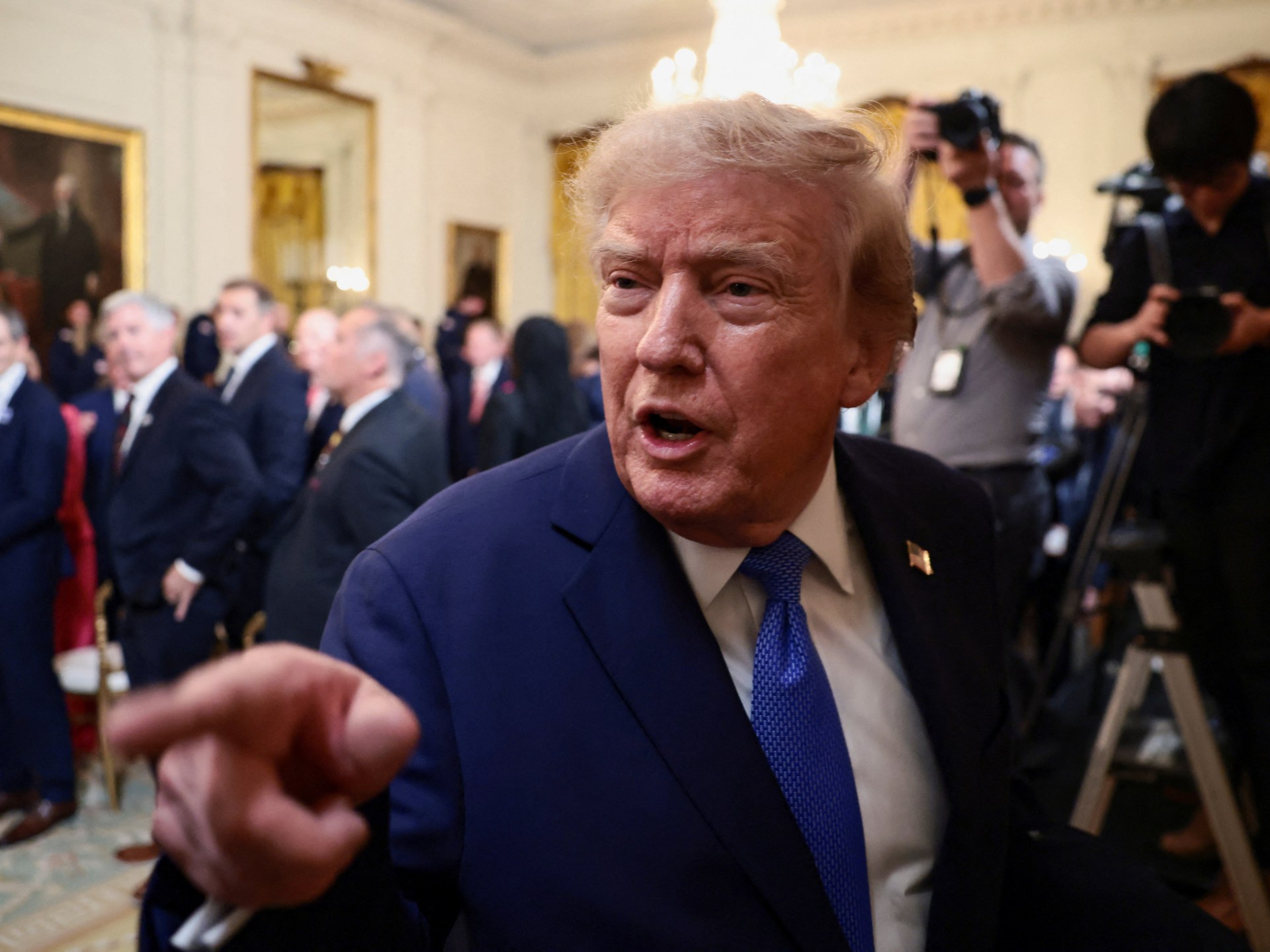
The remarks came a day after Trump wrote on his Truth Social platform that the US had “total control” of the strategic waterway.
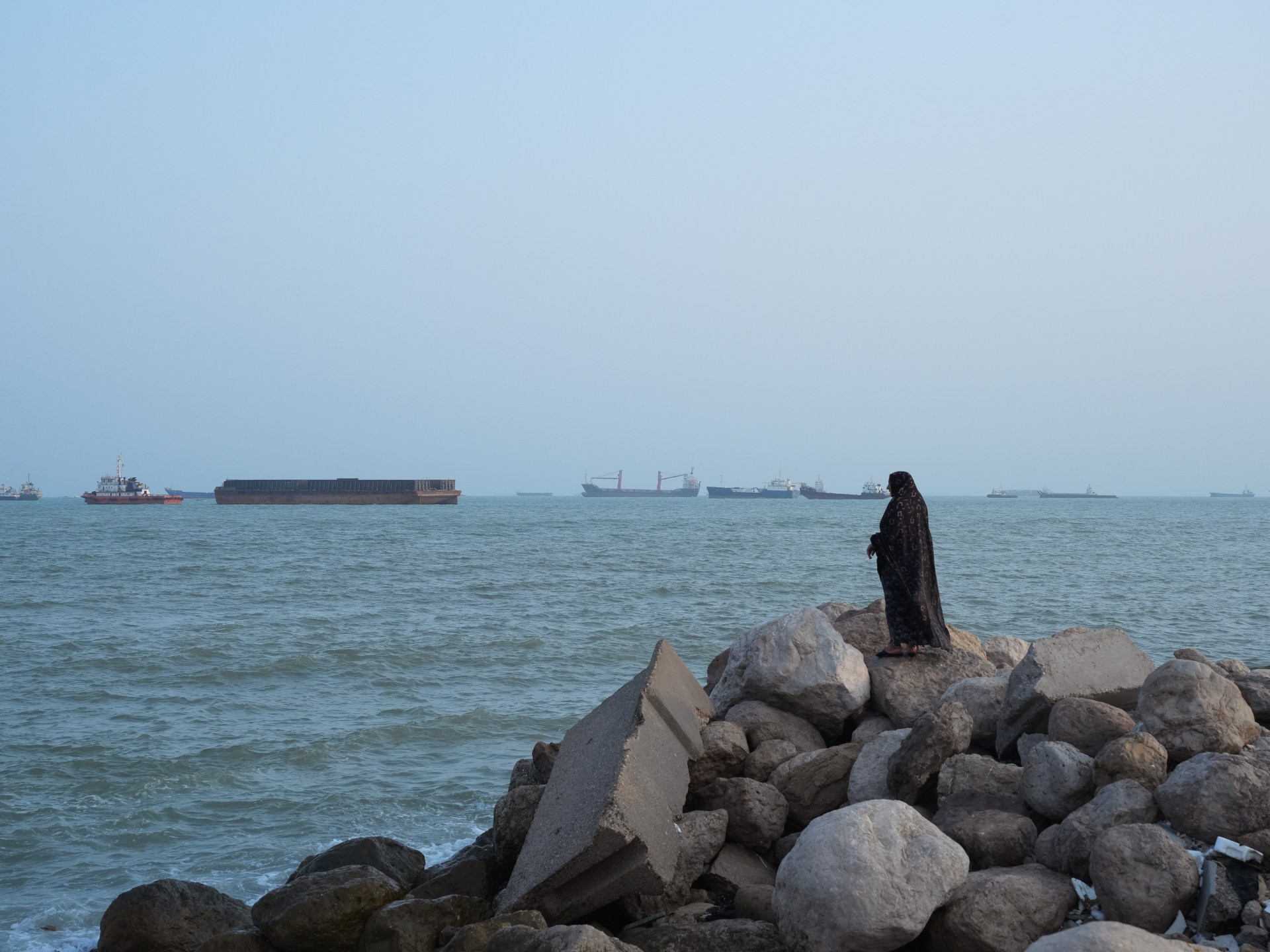
Since the start of the US-Israeli war on Iran on February 28, Tehran has in effect blocked the strait, through which a fifth of the world’s oil and liquefied natural gas transited before the war.
The US subsequently imposed a naval blockade on Iranian shipping and ports, while saying it would protect freedom of navigation for vessels travelling to and from non-Iranian ports.
Iran’s joint military command, Khatam al-Anbiya Central Headquarters, said on Thursday that no vessel could transit the Strait of Hormuz without Tehran’s permission.
“The baseless claims made by the United States regarding the normal passage of vessels through the Strait of Hormuz … are nothing more than lies and falsehoods,” the command said in a statement published by state media.
Also on Thursday, senior military political official Rasoul Sanaei-Rad said that Iran would not reopen the strait unless the US fulfilled its commitments under the interim deal aimed at ending the war, adding that the reopening of the waterway was not something the US could achieve unilaterally, according to Fars news.
Advertisement
Sanaei-Rad also warned that Iran would respond more forcefully in any future conflict, saying: “In a possible future war, we will stand more firmly and more offensively.”
In June, the two countries reached an interim agreement extending a ceasefire that had taken effect in April and calling for a swift return to freedom of navigation in the Gulf.
The deal unravelled a few weeks later after Iran resumed limited attacks on vessels that it said were sailing contrary to the arrangements under the agreement, prompting the US to restart strikes on Iran’s southern provinces, which Washington said were aimed at degrading Tehran’s ability to target vessels in the Gulf.
Iran is aiming to prolong the war as it believes the economic squeeze poses no existential threat to the survival of its government, Michael Stephens, a senior associate fellow at the Royal United Services Institute (RUSI), said.
“That existential threat is gone,” Stephens told Al Jazeera. “So they want to up the tempo and maybe make the pain a little bit more acute for President Trump. And the best way to do that is to drag this out.”
Iran’s Foreign Minister Abbas Araghchi said the US “has long miscalculated due to intelligence failures”, including when launching its war on Iran.
In a post on X, Araghchi said Washington’s actions in the Strait of Hormuz were “an even bigger miscalculation”. “Worse than fake news is fake intelligence,” the foreign minister said.
Related News

Moderna, Merck unveil mRNA-based cancer vaccine that cuts spread
Nepal tunnel traps hinder flood rescue: How many are dead or missing?

Trump’s ‘economic D-Day’ claims first victim: Not Iran, but US markets