

Bogota, Colombia – On November 20, 2025, Colombian police burst into a shipping container in Buenaventura, Colombia’s largest port on the Pacific Coast, foiling a scheme to smuggle 14 tonnes of cocaine, valued at $390m.
It was the Colombian police’s largest cocaine seizure in a decade — and a sign of Colombian President Gustavo Petro’s ramped-up campaign to intercept drugs.
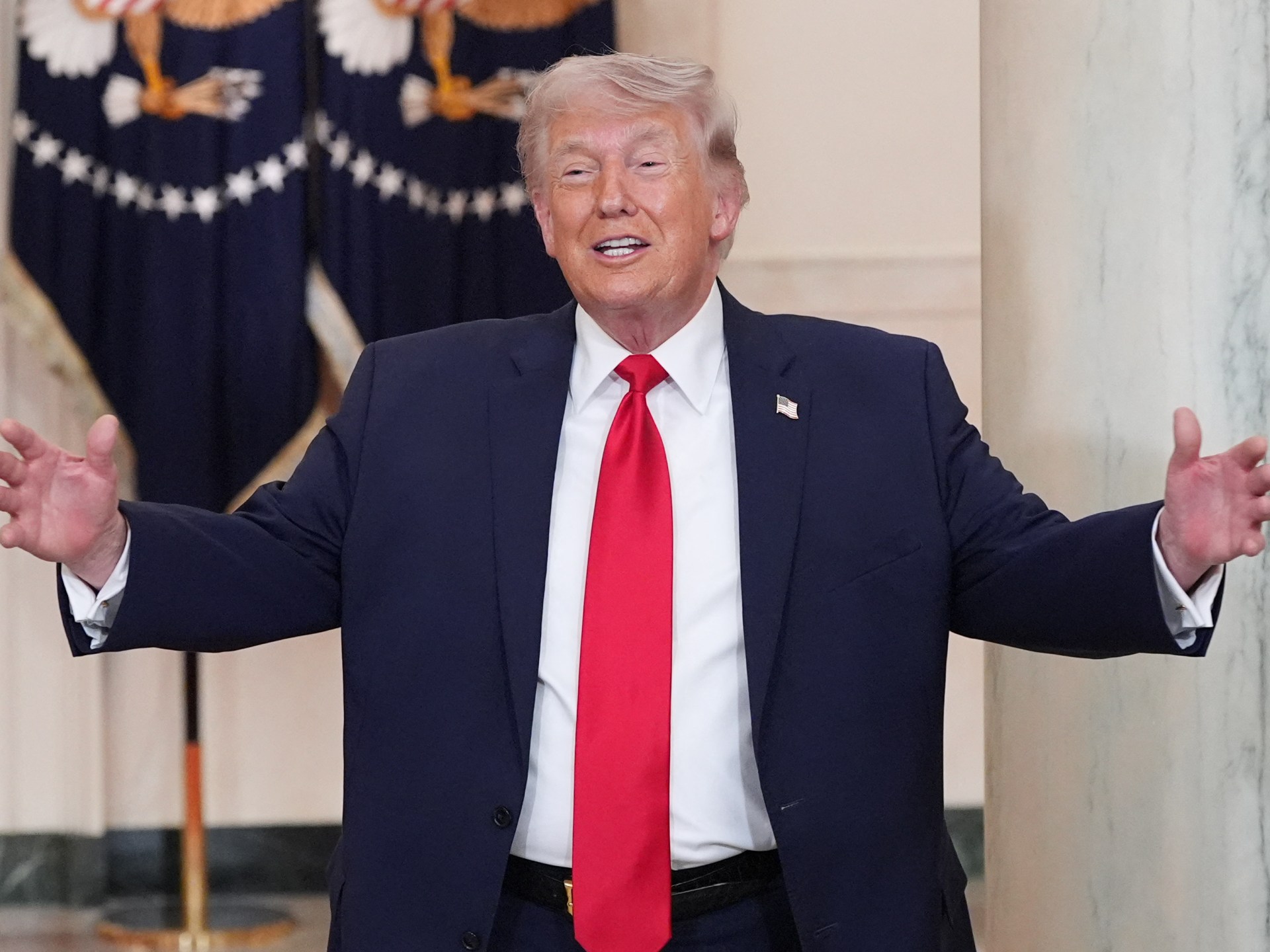
Since taking office last year, United States President Donald Trump has repeatedly accused Petro of doing “nothing” to stop the flow of cocaine, resulting in Colombia’s decertification as an ally in the "war on drugs".
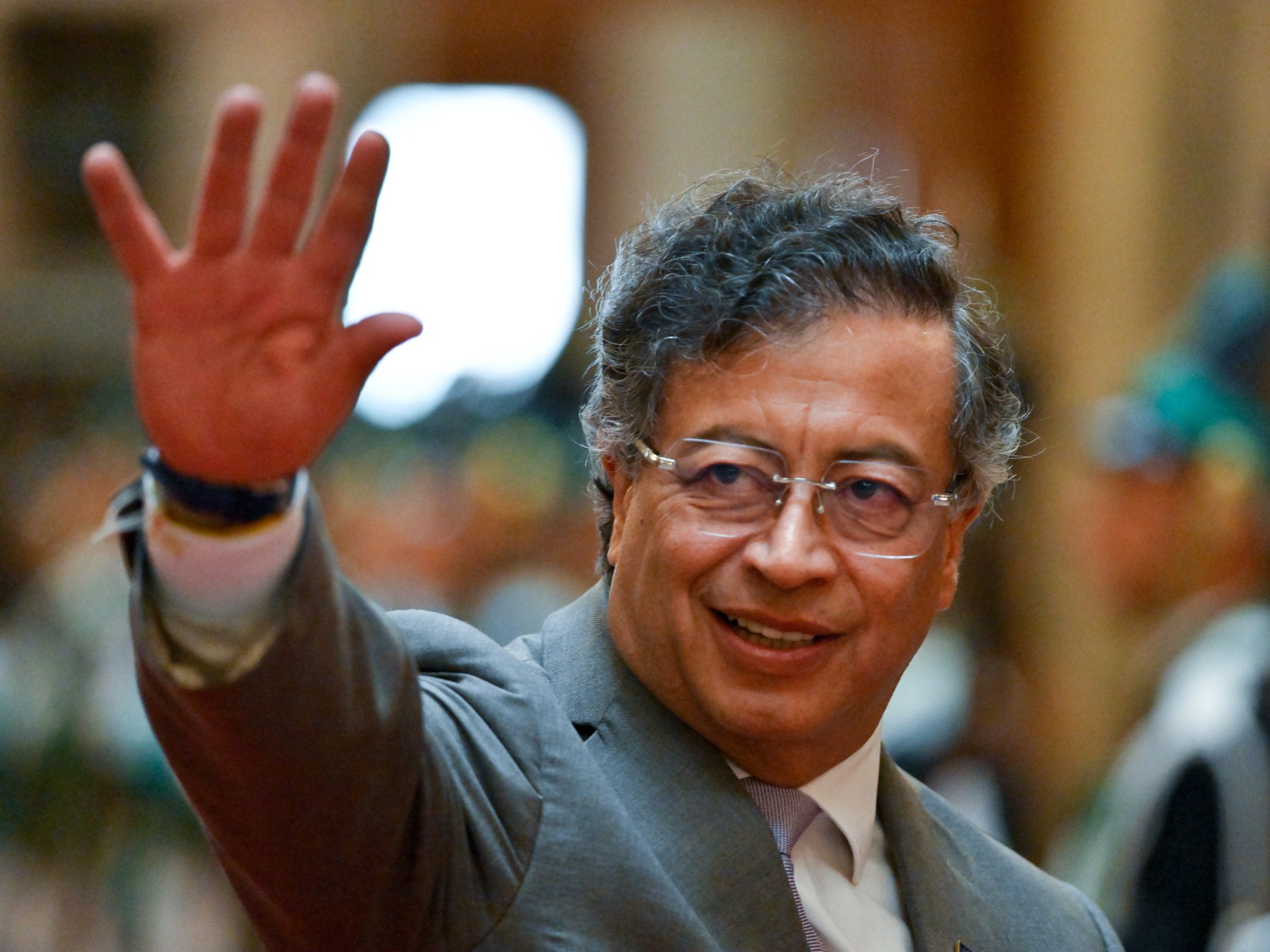
But in the final months of his term, Petro is on a campaign to prove that his policy does work, in part by pointing to record cocaine seizures.
“We can say it proudly: We are the government that has seized the most cocaine in the history of the world,” said Petro at a cabinet meeting in January.
Though he took office in 2022 with a call to end the US-led "war on drugs", Petro has since adopted a modified version of it, placing a greater focus on human rights.
He has cut back on the forced removal of coca — the leafy crop that is used to produce cocaine — arguing that it unfairly targets poor farmers. His administration is negotiating with drug-trafficking groups in the hope of reaching deals that reduce violence. And his administration has petitioned the United Nations to decriminalise coca, citing its traditional uses among Indigenous peoples across the Andes region.
But even as he tries to shift away from prohibitionist tactics, Petro has kept interdiction — the process of intercepting and seizing illicit drugs before they reach their destination — as a pillar of his strategy.
Now, Colombia is seizing more cocaine than ever. In 2025 alone, authorities confiscated a historic 985 tonnes of cocaine, almost four times the weight of the Statue of Liberty.
Still, experts caution that, even with record seizures, Petro has yet to quell tensions with the US.
“I think Petro’s reasoning was: ‘I’ll seize large quantities so the United States won’t pressure me over not eradicating crops.’ But it didn’t work out for him,” said Ana Maria Rueda, a drug policy expert at the Foundation Ideas for Peace, a Colombian research institute.
The numbers themselves may be misleading. Michael Weintraub, the director of the Center for Drug and Safety Studies (CESED) at Bogota’s Andes University, is among those who believe the size of the seizures alone does not equal success.
“ It is a very convenient talking point,” Weintraub said. “But I think we should ask ourselves whether this strategy makes sense.”
Related News
Hungary’s Viktor Orban struggling for political survival ahead of vote
UN experts slam attacks on Gaza shelters, forced displacement in West Bank

At least one killed at UAE’s Habshan gas facility after intercepted attack