

GENEVA – The World Health Organization (WHO) has launched its 2026 global appeal for nearly one billion US dollars to ensure that millions of people living in humanitarian crises and conflicts can access health care.
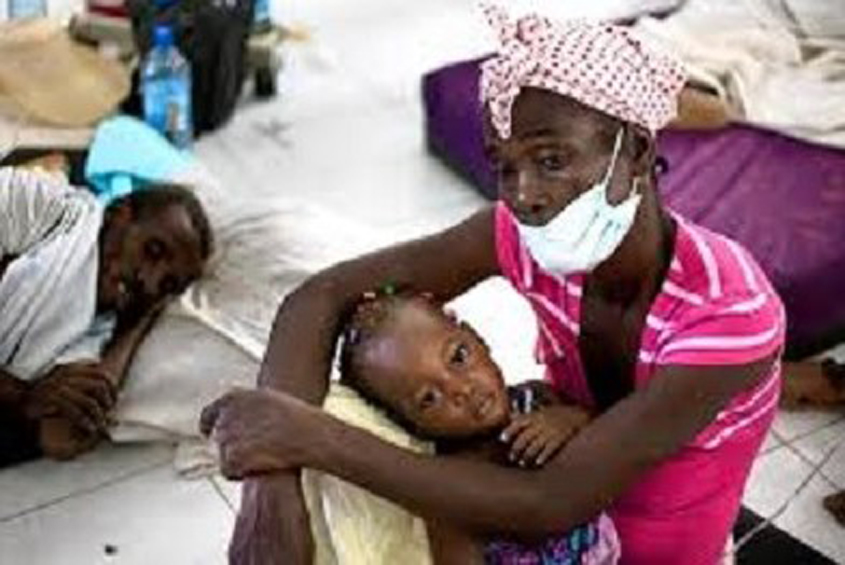
The WHO said that the priority emergency response areas will include Afghanistan, the Democratic Republic of the Congo, Haiti, Myanmar, the Occupied Palestinian Territory, Somalia, South Sudan, Sudan, Syria, Ukraine and Yemen.
Efforts will also address ongoing outbreaks of cholera and mpox
“Renewed commitments and solidarity are urgently needed to protect and support the people living in the most fragile and vulnerable settings,” WHO said.
“This appeal is a call to stand with people living through conflict, displacement and disaster to give them not just services, but the confidence that the world has not turned its back on them,” said WHO Director-General Tedros Adhanom Ghebreyesus.
The WHO said that the 2026 appeal seeks to respond to 36 emergencies worldwide, including 14 “grade 3” crises requiring the highest level of organisational response at a time of stinging funding cuts as humanitarian and health financing is experiencing its sharpest decline in a decade.
“Around one quarter of a billion people are living through humanitarian crises that have stripped away safety, shelter and access to health care (while) global defence spending now exceeds US$2.5 trillion a year,” Tedros said at the launch in Geneva.
WHO said that with the requested resources, it can sustain lifesaving care in the world’s most severe emergencies while “building a bridge towards peace”, said the lead agency for health response in humanitarian settings, which coordinates more than 1 500 partners across 24 crisis settings globally, ensuring that national authorities and local partners remain at the centre of emergency efforts.
“It is not charity. It is a strategic investment in health and security. Access to health care restores dignity, stabilises communities and offers a pathway toward recovery, said Ghebreyesus.
As global humanitarian financing continues to contract, the WHO said that the 2026 appeal comes at a time of converging global pressures as protracted conflicts, escalating climate change impacts and recurrent infectious disease outbreaks drive increasing demand for health emergency support.
With shrinking funding, WHO and other humanitarian partners have been “forced to make difficult choices” to prioritise the most critical interventions, the UN agency said, adding that what remains are the most impactful activities, including keeping essential health facilities operational, delivering emergency medical supplies and trauma care, preventing and responding to outbreaks, restoring routine immunisation and ensuring access to sexual and reproductive, maternal and child health services in fragile and conflict-affected settings.
In 2025, WHO and partners supported 30 million people funded through its annual emergency appeal. Last year, humanitarian funding fell below 2016 levels, leaving WHO and partners able to reach only one third of the 81 million people originally targeted to receive humanitarian health assistance. (CMC)