Balochistan to Bangladesh: Why Pakistan is boycotting India World Cup match
 02 February 2026
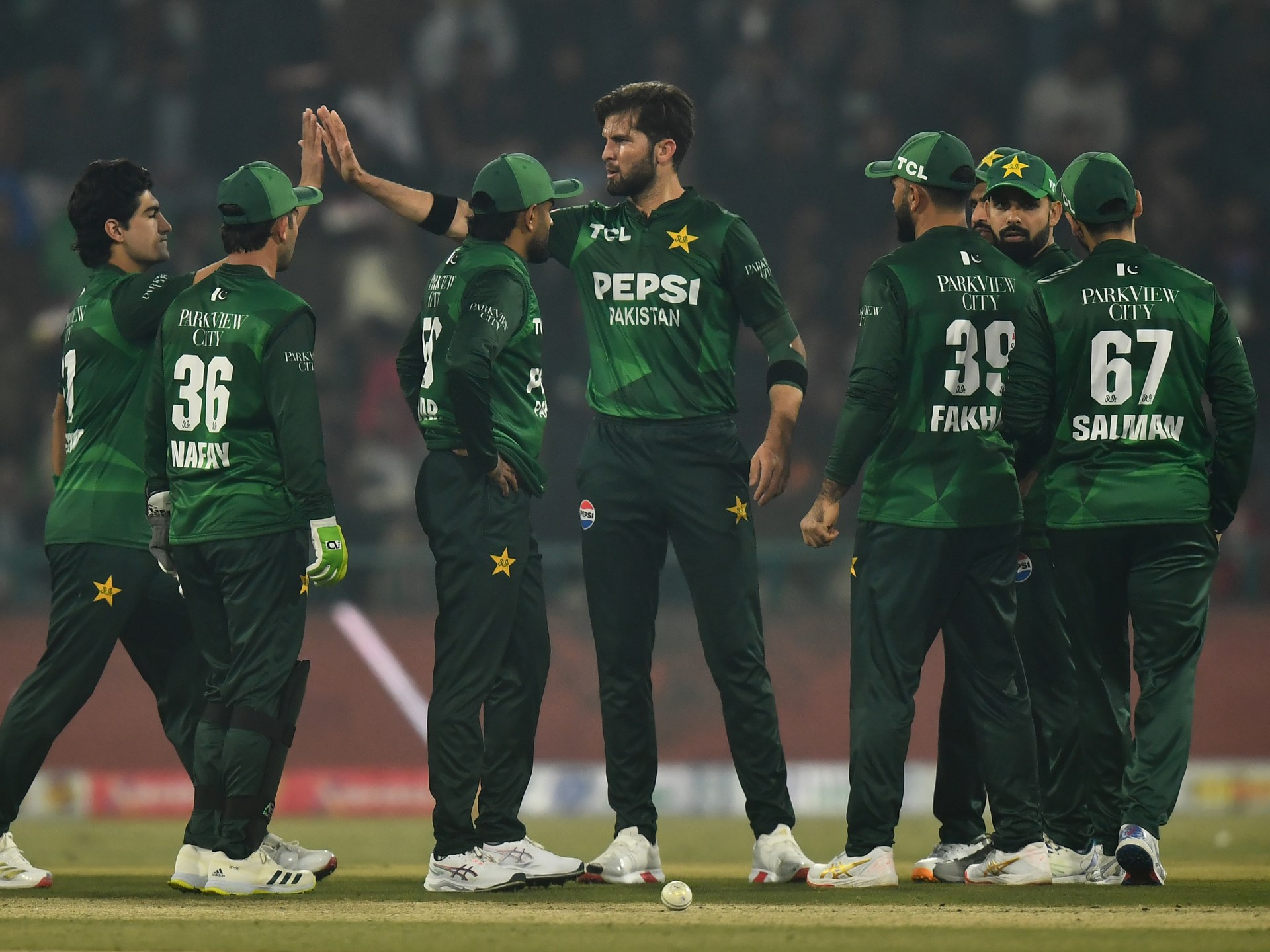

Pakistan’s government has announced the country will boycott its match against India in the Twenty20 World Cup, even while competing in the rest of the cricket tournament.
Pakistan has not explicitly stated a reason for pulling out of the game with India, which was scheduled to take place on February 15.
However, Mohsin Naqvi, Pakistan’s interior minister and chairman of the Pakistan Cricket Board (PCB), has blamed India for attacks in Balochistan on Saturday in which at least 31 civilians, 17 security personnel and 145 fighters were killed, according to authorities.
Pakistan’s decision on Sunday to boycott the game against India also comes amid tensions between the neighbours over a series of events that led to Bangladesh being barred from the World Cup.
What happened in Balochistan?
Early on Saturday, armed men launched coordinated attacks on police stations in the provincial capital of Quetta and other parts of Pakistan’s Balochistan province, according to officials.
These were the deadliest attacks in Balochistan in decades with nearly 200 people, most of them fighters, killed. Pakistan has spent decades battling a separatist movement in Balochistan, where fighters have been targeting state forces, foreign nationals and people from other parts of Pakistan in the mineral-rich province that borders Afghanistan and Iran.
The outlawed Balochistan Liberation Army (BLA) claimed responsibility for Saturday’s attacks, according to the AFP news agency.
The group said it targeted military installations and police and civil administration officials in gun attacks and suicide bombings in nine districts of Balochistan, Pakistan’s largest but least populated and most impoverished province
Advertisement
On the same day as the attack, Naqvi accused India of being behind the attacks in Balochistan as he spoke to local media with the province’s chief minister, Sarfraz Bugti.
“These were not normal terrorists. India is behind these attacks. I can tell you for sure that India planned these attacks along with these terrorists,” Naqvi said without presenting any evidence.
But weren’t tensions already building up over the World Cup?
Yes. On January 24, the International Cricket Council (ICC) kicked Bangladesh out of the tournament, replacing it with Scotland, after Dhaka refused to play its matches in India, which is cohosting the World Cup with Sri Lanka.
Amid rising tensions between India and Bangladesh, the Bangladesh Cricket Board asked that its games be shifted from India to Sri Lanka, but its request was rejected by the ICC.
Bangladesh cited security concerns, but the ICC said there was no “credible or verifiable security threat to the Bangladesh national team in India”.
The monthlong tournament, which begins on Saturday, will be the first time Bangladesh will miss a men’s T20 World Cup.
When Bangladesh was not allowed to play in Sri Lanka, Naqvi criticised the ICC for “double standards”. The ICC in the past has allowed India to avoid playing in Pakistan when Pakistan has hosted tournaments and instead hold those games in third nations. And under a deal involving India and Pakistan, the ICC has now allowed Pakistan to do the same. When India hosts a series like the World Cup, Pakistan is allowed to play in third countries, like Sri Lanka in this case.
“You can’t have double standards. You can’t say for one country [India] they can do whatever they want and for the others to have to do the complete opposite,” Naqvi said. “That’s why we’ve taken this stand and made clear Bangladesh have had an injustice done to them. They should play in the World Cup. They are a major stakeholder in cricket.”
Pakistan will play all of its matches in Sri Lanka instead of India amid a flare-up in tensions between the South Asian neighbours.
After an attack on tourists in April in India-administered Kashmir that India blamed on Pakistan, India and Pakistan engaged in May in a heated aerial war. They used drones and missiles to target each other’s military bases. A ceasefire was eventually brokered on May 10.
Scepticism towards India has been on the rise in Bangladesh since the summer of 2024 when Prime Minister Sheikh Hasina was ousted in mass antigovernment protests and fled to India.
On January 3, the Board of Control for Cricket in India (BCCI) removed fast bowler Mustafizur Rahman from the Indian Premier League, Bangladesh’s only cricketer in the tournament.
Advertisement
The BCCI did not state the reason behind this decision, citing only “developments all around”.
How will this impact the World Cup?
The match between India and Pakistan was expected to have been the most watched match of the entire tournament. Losing it will likely slash viewership for that slot by tens of millions of people.
In 2021, the India-Pakistan match at the T20 World Cup registered a record 167 million viewers, making it the most watched T20 international in history, according to Star India, the tournament’s official broadcaster.
Due to its high viewership, the India-Pakistan match is the most valuable advertising window of the World Cup. If the match is cancelled, broadcasters lose out on revenue.
Similarly, Colombo’s R Premadasa Stadium, which was due to host the game, loses a major match day revenue opportunity from ticket sales.
What does it mean for Pakistan’s chances at the World Cup?
The Pakistani team will forfeit two points in the group stage because of the boycott, which India will gain without playing the game.
With two points awarded for every win at this World Cup, Pakistan now have less room for error and must win more of their remaining games to ensure their chances of advancing.
What’s next?
Pakistan and India have not played any bilateral cricket since 2012 and face each other only in multination events.
Under a deal signed last year, India and Pakistan agreed not to travel to each other’s countries in cases in which either hosts an ICC event, instead playing at neutral venues.
Pakistan boycotting the match against India in the neutral venue possibly sets a new precedent for India to take similar action in future tournaments.
Related News
US begins transferring ISIL-linked detainees from Syria to Iraq
ISIL fighters flee jail as Syrian army clashes with Kurdish-led SDF
Israel partially reopens Rafah crossing between Egypt and Gaza in pilot