

Officials from the Democratic Republic of the Congo (DRC) and Rwanda are due to reconvene in Geneva on September 16 and 17 for talks on the implementation of the 2025 Washington Accords.
The two-day meeting of the Joint Security Coordination Mechanism (JSCM) will bring together representatives of the two countries, with mediators from the United States, Qatar, Togo and the African Union Commission. The mechanism was established to monitor and coordinate the implementation of security commitments between the two countries.
The meeting comes as fighting continues in the eastern DRC and key commitments under the peace process remain unresolved.
The peace agreement between the DRC and Rwanda was signed in Washington, DC on June 27, 2025. The Washington Accords for Peace and Prosperity, signed on December 4, reaffirmed the parties’ commitment to implementing that agreement.
Among the key security commitments are the DRC’s obligation to neutralise the Democratic Forces for the Liberation of Rwanda (FDLR) and Rwanda’s disengagement of forces and lifting of defensive measures.
What is at stake?
The September talks will focus on whether the two sides can make further progress on those commitments.
The agreement is part of a wider diplomatic effort to end decades of conflict in the eastern DRC, a region bordering Rwanda, Uganda and Burundi that has been plagued by armed groups and repeated fighting.
The conflict has repeatedly drawn neighbouring countries into the eastern DRC. Rwanda has long said armed groups operating from DRC territory pose a threat to its security, while the Congolese government has accused Kigali of supporting armed groups seeking to seize territory and influence in the east.
Advertisement
“The Washington Accords reaffirm the parties’ commitment to implement the Peace Agreement between the DRC and Rwanda, agreed to in Washington, June 2025, and achieve the vision of the Regional Economic Integration Framework, to create a bold roadmap for peace, security, and unprecedented economic growth,” a US Department of State spokesperson said.
But fighting has continued.
A September forecast by Security Council Report said clashes between the Congolese Armed Forces (FARDC) and the M23 armed group had continued in North and South Kivu, two provinces in the eastern DRC. It also said two central obligations under the Washington process, the neutralisation of the FDLR and Rwanda’s lifting of defensive measures, had yet to be declared complete.
Rwanda has repeatedly accused the DRC of supporting, arming and working alongside the FDLR.
The FDLR has its roots in forces and militias that fled Rwanda after the 1994 genocide against the Tutsi. Some of its members were linked to the former Rwandan army and the Interahamwe militia. The group has remained active in the eastern DRC and has long been a central security concern for Rwanda.
Kinshasa, meanwhile, has accused Rwanda of supporting M23, allegations Kigali denies.
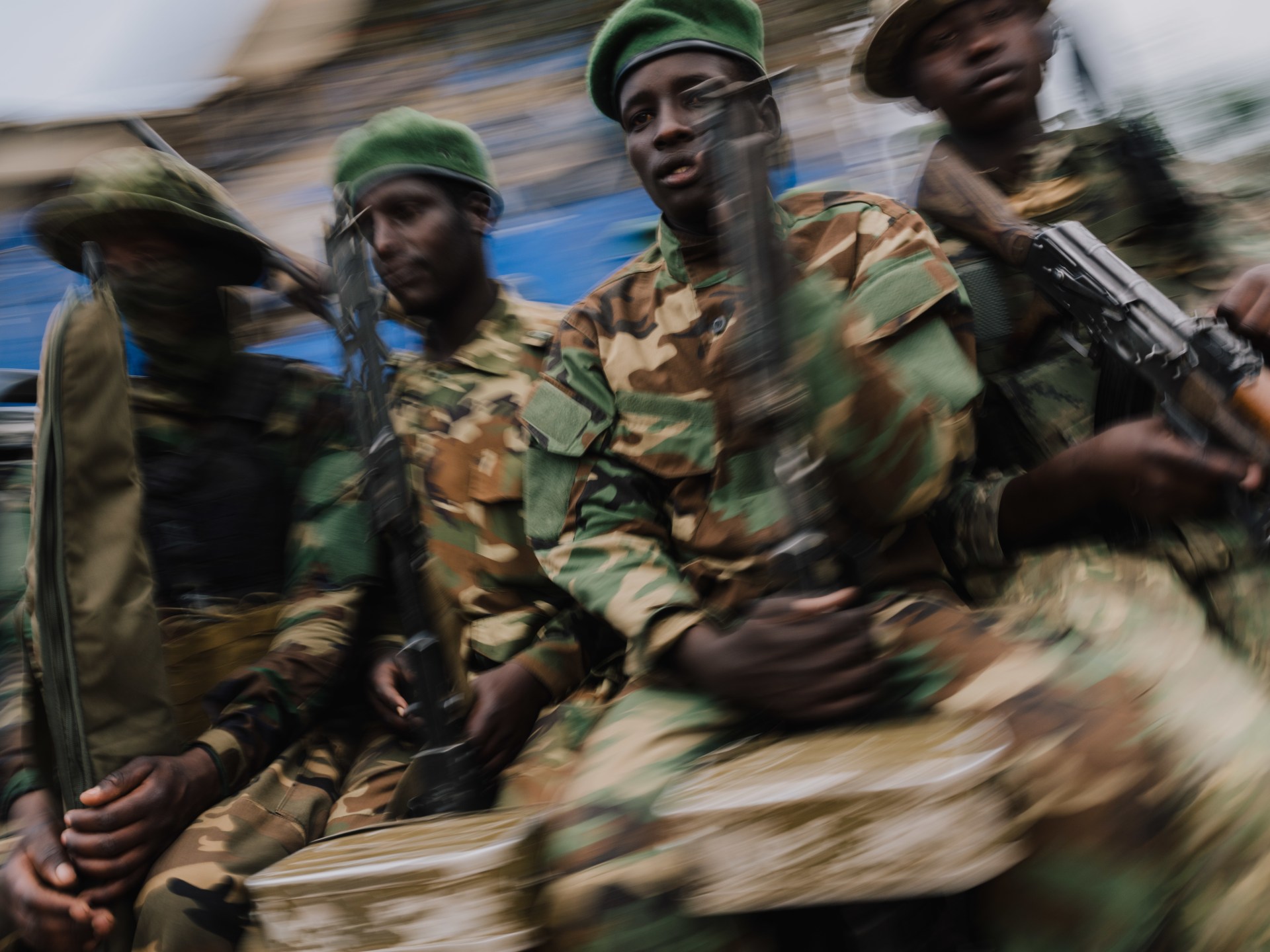
M23 first emerged as a major armed movement in 2012. After withdrawing from territory it controlled, it resurfaced in 2022 and launched a new offensive in the eastern DRC.
The group made major territorial gains in 2025, including the capture of Goma, the capital of North Kivu province, and Bukavu, the capital of neighbouring South Kivu.
Although M23 is not a party to the Washington agreement, it remains central to efforts to end the wider conflict.
The US-backed process requires Rwanda and the DRC to support a separate Qatar-led dialogue between Kinshasa and M23. That process produced the Doha Framework for Peace, signed by the Congolese government and the Congo River Alliance (AFC/M23) in Doha on November 15, 2025.
Where things stand
The September meeting follows the sixth JSCM meeting, held in Geneva on August 12 and 13.
At that meeting, the DRC and Rwanda agreed to advance two initiatives aimed at strengthening monitoring and verification of the Washington Accords on the ground. They asked the US to consider the initiatives and provide feedback at the next JSCM meeting.
The DRC also presented its Disarmament, Demobilisation and Reintegration (DDR) plan for the FDLR and responded to questions from JSCM members.
The parties also agreed to hold a trilateral planning conference in October that will culminate in a revised operations order guiding their coordinated efforts.
Advertisement
The FDLR dispute
The neutralisation of the FDLR is expected to remain one of the most difficult issues.
On July 28, the Congolese government said a faction of the FDLR had accepted and signed a protocol covering disarmament, demobilisation and cantonment. Kinshasa presented the move as progress towards meeting its obligations under the Washington agreement.
Rwanda rejected the move, arguing that the Washington agreement requires the FDLR to be neutralised rather than negotiated with. Kigali has also accused Kinshasa of continuing to support the group.
The disagreement matters because progress on the FDLR is tied to Rwanda’s own commitments under the Washington process.
Rwanda has maintained that its security measures along the border with the DRC are necessary to protect the country from armed groups operating in the eastern DRC. Under the Washington agreement, Rwanda is expected to disengage its forces and lift those defensive measures as part of the wider security arrangements.
For the September meeting, the FDLR issue will remain a central point of contention as the two countries try to resolve the commitments that remain at the heart of their dispute.
Related News
Seven people, mostly foreign tourists, killed in helicopter crash in Kenya
Canada’s Carney says US must ‘start being serious’ to resolve trade dispute
Six months of war between Iran, US leave Arab states facing tough questions