

Max D Lederer Jr, the longtime publisher of the United States military publication Stars and Stripes, announced his retirement in a memo to staff on Tuesday.
In his memo, Lederer suggested that he had clashed with the administration of US President Donald Trump. He confirmed his resignation in an interview with Stars and Stripes.
Lederer’s departure from his position comes shortly after Stars and Stripes and other military publications broke the story about the mental health crisis roiling the USS Abraham Lincoln in the Gulf.
Why has Lederer retired?
Lederer’s memo suggested that the publication editorially clashed with the Trump administration, which sought greater control over it, The Associated Press reported.
It has “become clear that my philosophy of leadership, and my understanding of the value and mission of Stars and Stripes, differ in fundamental ways from the direction the leadership of the Department of Defense has for the organisation,” Lederer wrote in his memo.
His comments came after Secretary of Defense Pete Hegseth and the Pentagon accused Stars and Stripes of promoting “woke distractions”.
Lederer, who has been the publisher of Stars and Stripes for the past 19 years, is set to retire on September 30.
What is Stars and Stripes?
Stars and Stripes, a publication founded in 1861, is a daily newspaper which largely reports on members of the US armed forces and their families. About 1.4 million people read Stars and Stripes daily, mostly online, according to CBS News.
The publication technically operates under the Department of Defense’s organisation, Defense Media Activity (DMA). Its funding and administration are ultimately tied to the Pentagon.
Advertisement
The outlet receives about two-thirds of its funding from the Pentagon, according to recent estimates by multiple US media outlets. It receives the rest of its revenue from subscriptions and advertising.
However, Stars and Stripes has sought editorial independence from the Pentagon.
What is the latest source of disagreement with the Trump administration?
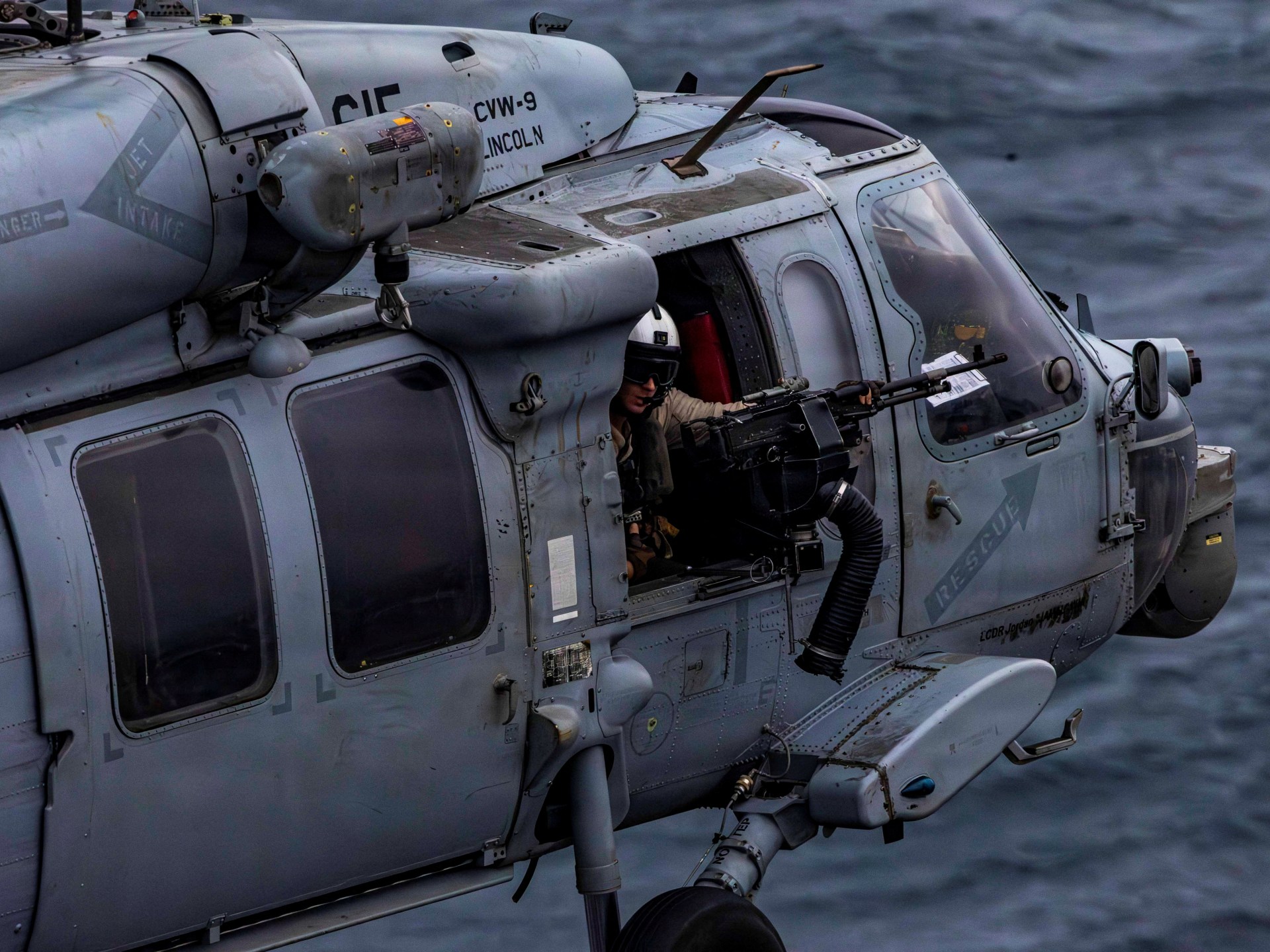
This month, Stars and Stripes, along with outlets such as Military Times and Navy Times, broke the story of struggles being faced by sailors who have been on board the USS Abraham Lincoln for the past nine months. One wife of a serving crewman told the Navy Times that her husband had attempted to jump overboard amid the extended deployment, poor working conditions and mounting mental health concerns. She described her husband as suffering from “severe burnout”.
The USS Abraham Lincoln is currently in the Middle East on a deployment that is nearing nine months amid the US-Israeli war on Iran. Since then, it has had only one two-day port stop in December last year, eight months ago.
More than 5,000 staff members have been on board the vessel, which has been conducting maritime security and blockade operations around the Strait of Hormuz since it set sail on November 21, 2025, from its home port of San Diego for an extended deployment to the Asia Pacific and the Middle East. The ship had just one brief, two-day stop in December.
Family members in touch with crew have reported food shortages, as well as broken toilets and showers, prompting concerns about conditions of sanitation, health and hygiene.
The latest reports about poor mental health have also triggered alarm.
In a recent letter to Secretary of Defense Pete Hegseth, Democratic Senator Richard Blumenthal wrote that the aircraft carrier has now been “continuously at sea for a record length of nearly seven months”. That surpasses any previous deployment of a US aircraft carrier without a port stop.
“These reports warrant immediate attention, but they also raise a broader question: whether the Navy can sustain the operational tempo now being demanded of its carrier force, particularly as this administration repeatedly commits US forces to conflicts of its own choosing and increasingly relies on aircraft carriers to sustain those operations,” Blumenthal wrote.
US Admiral Brad Cooper visited the USS Abraham Lincoln last week and subsequently wrote on X that “of the US Navy’s 11 active aircraft carriers, the Lincoln currently has among the lowest number of cases related to mental health”.

Have Republicans under Trump previously threatened Stars and Stripes?
The Pentagon sought to defund Stars and Stripes during Trump’s first term from 2017 to 2021. However, it was Trump who then pledged not to cut its budget.
Advertisement
In September 2020, he wrote on X, then called Twitter: “The United States of America will NOT be cutting funding to @starsandstripes magazine under my watch. It will continue to be a wonderful source of information to our Great Military!”
As a result, the Pentagon rescinded the shutdown order.
In January this year, following the start of Trump’s second term, however, the Department of Defense sought to overhaul the publication.
“The Department of War is returning Stars & Stripes to its original mission: reporting for our warfighters,” Pentagon spokesperson Sean Parnell wrote on X.
“We will modernize its operations, refocus its content away from woke distractions that syphon morale, and adapt it to serve a new generation of service members,” he added. He did not give examples of articles considered to be about “woke distractions”, however.
This came shortly after The Washington Post reported that new applicants to Stars and Stripes were being asked how they would support the Trump administration’s policies.
In April, the Pentagon fired Jacqueline Smith, Stars and Stripes’ independent reader representative. Her firing came shortly after she warned publicly that defence officials were implementing “attempted control” over the newsroom.
Has Stars and Stripes clashed with the Pentagon before?
In 2009, Stars and Stripes revealed that the US military had signed a $1.5m contract with Washington-based public relations firm The Rendon Group.
The company was tasked with analysing the work of embedded reporters and rating their stories as “positive”, “neutral” or “negative” in relation to US military objectives.
While the military insisted it did not use these ratings to manipulate coverage or bar journalists, Stars and Stripes reported that the profiles included suggestions on how to “neutralise” negative stories. The US military cancelled the contract shortly after the revelations.
Related News
Iran war live: Trump threatens to hit back hard over strikes on Jordan
Senate Democrats block defence bill over Iran war, Israel provisions
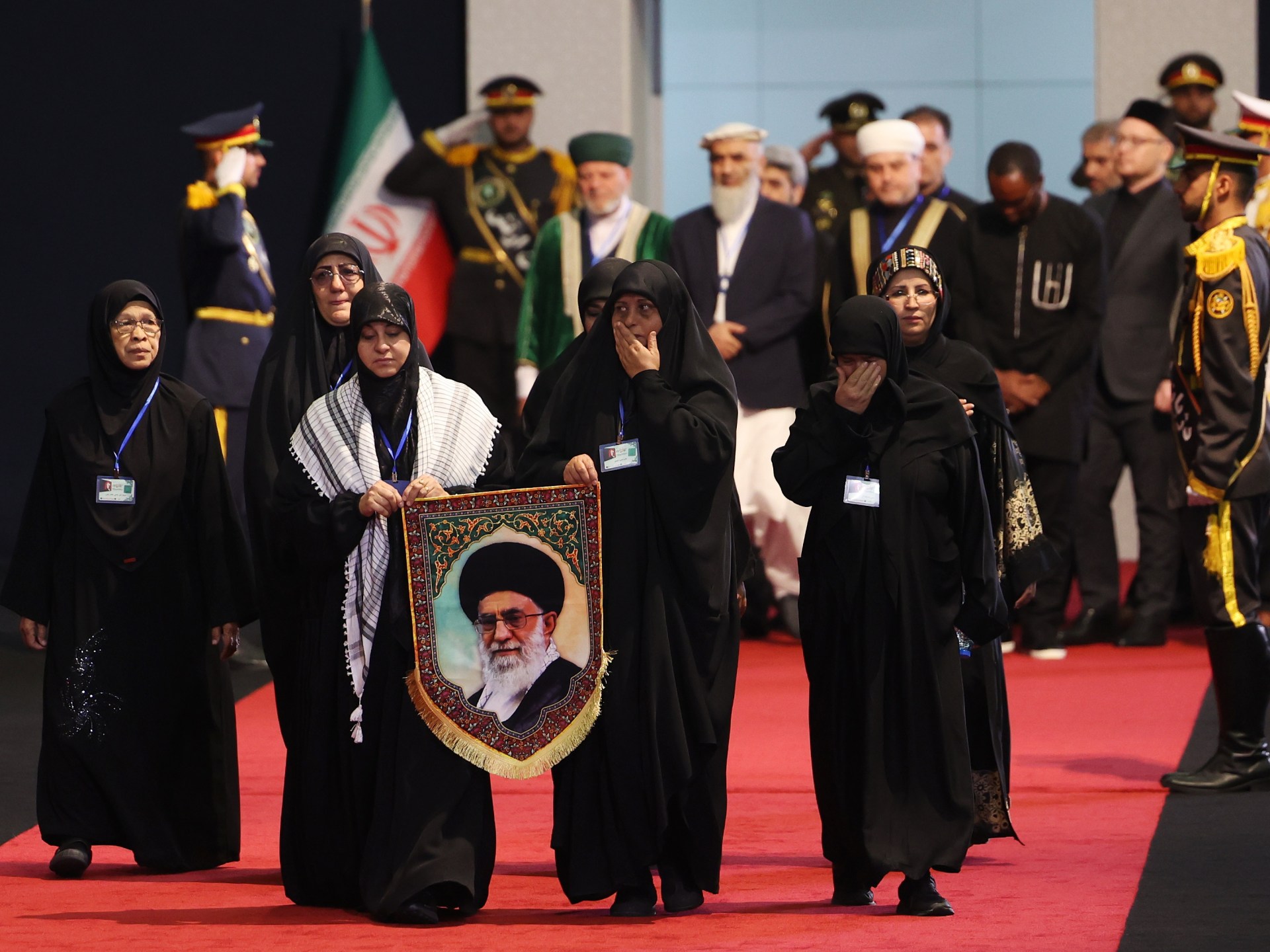
Iran prepares to bury slain leader Khamenei after mass funeral processions