
A president suing himself? Why experts say Trump’s $10bn lawsuit might fail
 13 March 2026
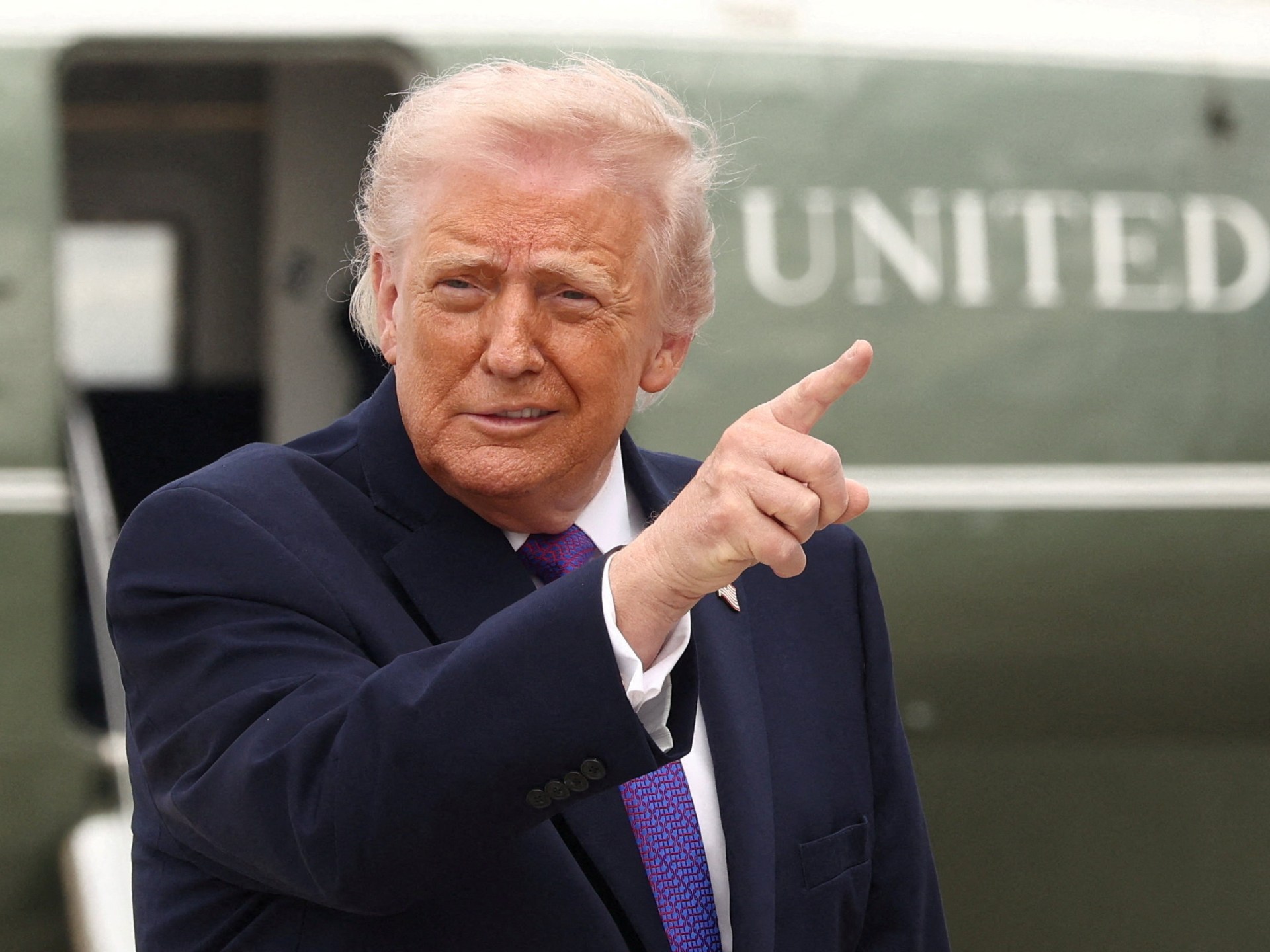

Trump's case concerns events that began in 2017, when Littlejohn was re-hired as a government contractor for the consulting firm Booz Allen.
At the time, Trump was making headlines for his refusal to release his tax returns to the public, as had been the custom for incoming presidents and as he himself had promised to do.
Tax returns are guarded by strict privacy laws, but since the 1970s, every president except Trump has made theirs public as a gesture of transparency.
Amid the controversy, while working on an IRS contract, Littlejoin stole Trump's tax files. He then shared the documents with major media outlets.
In 2020, The New York Times published a series of articles that detailed how the famously wealthy Trump had paid little to no federal income tax over the previous 15 years.
Then, in 2021, ProPublica relied on Littlejohn’s leaks to outline discrepancies between how Trump's businesses reported their assets to tax authorities, versus lenders.
The leaks, according to Trump’s suit, were politically motivated and “caused significant and irreparable harm” to the president, his sons and his business interests.
Though Littlejohn was not a government employee, Trump's complaint argues that the IRS was responsible for his actions.
Trump is not the first US president to sue the federal government. But previous efforts came after the presidents in question had left the White House.
In 1974, for example, the scandal-plagued former President Richard Nixon filed a lawsuit in an effort to maintain control of his presidential papers, calling their anticipated publication a breach of privacy.
But unlike Trump, experts note that Nixon was no longer in office at the time, and he was not seeking financial compensation.
Trump himself has previously filed legal complaints against what he considers unjust government investigations. But those claims were filed when Trump was a private citizen, in 2023 and 2024, between his first and second terms.
Now that he is back in office, though, Trump has the power to settle those complaints in his own favour, as well as the IRS case.
Reports have indicated he is seeking $230m in compensation from the Department of Justice (DOJ), which falls under his authority, just like the IRS.
Related News

Israel extending ‘Gaza playbook’ to Lebanon, charity warns
Qatar warns Iran war could halt Gulf energy exports ‘within weeks’

Southeast Asia shuts offices, limits travel as oil crisis deepens