
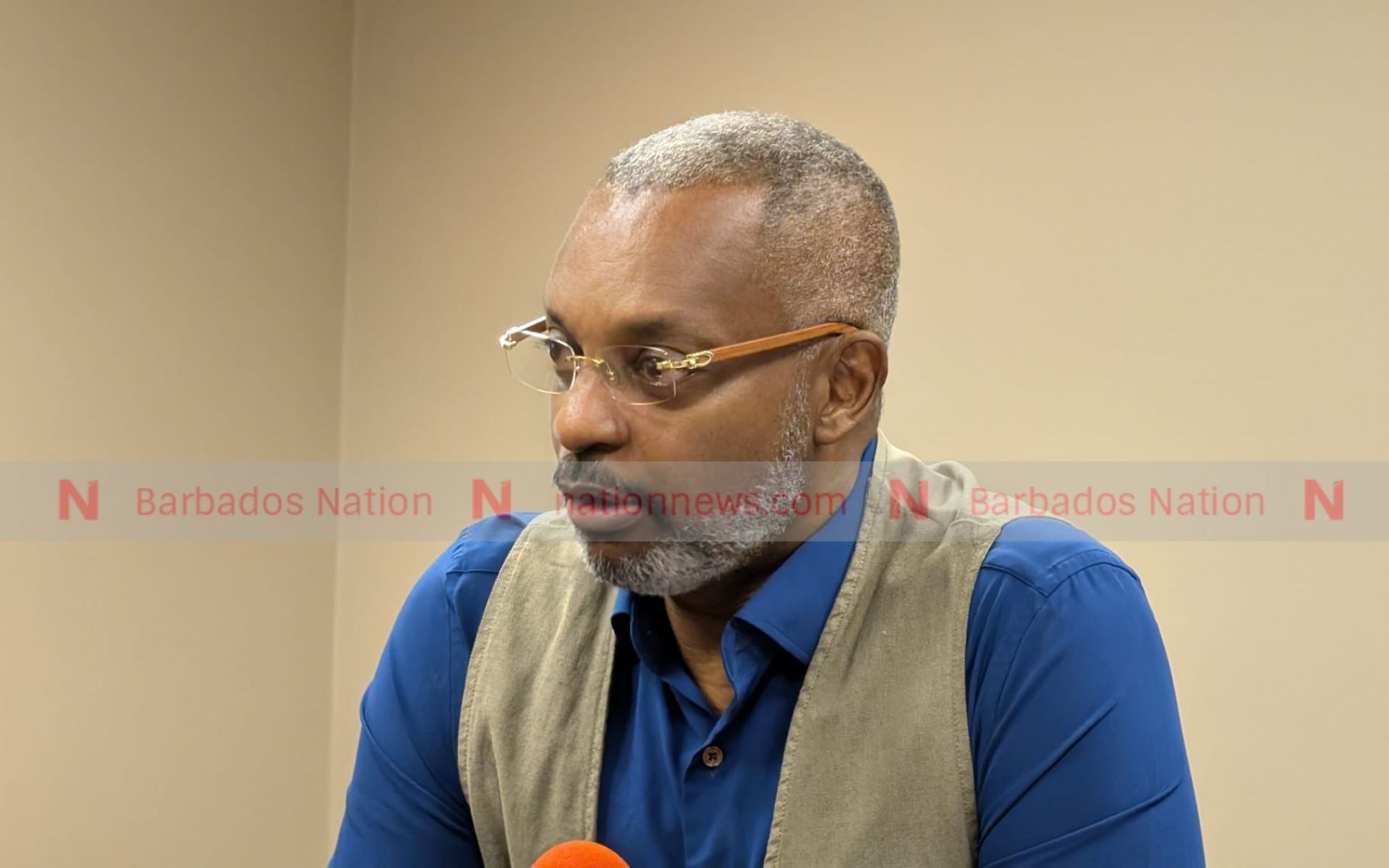

Chairman of Electoral and Boundaries Commission Ramon Alleyne on Saturday confirmed that changes were made to the preliminary list of nearly 8 000 names slated for deletion from the voters’ register, describing the adjustments as evidence that the statutory process is working as intended.
Speaking during a press conference at the EBC office at Warrens, St Michael, Alleyne said while the original list was compiled in accordance with the law, feedback from the public resulted in corrections before the final register is published.
“The original list filed was in the region of just over 8 000. There were a number of calls that came in for corrections and corrections have been made. That tells me the process is working,” Alleyne said.
He explained that the law does not assume the initial list is perfect, which is why it mandated public scrutiny and correction periods.
“That is why there is a process.”
Alleyne detailed how names were identified for removal, stressing that deletions could only occur under specific circumstances: death, prolonged absence from Barbados of five years or more, or where a formal objection has been upheld.
“The removal of an elector from the register can only occur under specific circumstances,” he said. “Those criteria are set out in law, not by the Commission acting on whim.”
He explained that information regarding deceased persons was sourced primarily from the Registry of Barbados, supplemented by reports from enumerators in the field.
“Under the legislation, the Registry is supposed to supply the Commission on a monthly basis with the persons who have been registered as deceased,” Alleyne noted. “That information is then used to update the system.”
Similarly, data on people residing overseas came from the Immigration Department and field enumerators, relying in part on information provided by households during enumeration.
“The enumerators depend on the honesty of the citizens to whom they speak,” he said. “That is why the list is published so the public can scrutinise it.”
Temporary offices
The list was published twice, with a four-week window for review, during which the Commission opened 14 temporary offices across the island in addition to its Warrens headquarters.
“That level of engagement goes beyond what is strictly mandated,” Alleyne said. “It was done to ensure accessibility and comfort.”
Asked whether the number of corrections was significant, Alleyne said while changes were made across categories, they did not fundamentally alter the scale of the list.
“I would imagine there are a few hundred in each category but I would not call it significant,” he said.
Alleyne stressed that even after the correction period has passed, eligible voters were not permanently excluded.
“Today, even after the notice period has passed, people can still make applications to be placed on the voters’ register if they have been erroneously removed,” he said. “That will remain the case even after an election has been called.”
He emphasised there was no limitation preventing eligible voters from registering.
“There is access to the office in Warrens. There is access to registering officers in the field. Every person who has the right to be on our voters’ register will be placed on it once they make a normal application,” Alleyne said.
Addressing concerns about Commonwealth citizens, Alleyne reiterated that strict residency requirements applied. “No one who has recently come into this country can be on the register,” he said. “They must be resident for three years, live in the constituency for three months and be over 18.”
As the Commission moves toward publishing the final register by the legislated deadline, Alleyne said the public should take confidence in the safeguards built into the system.
“The framers of this legislation recognised that this is a process that needs to be checked and scrutinised,” he said. “That is exactly what has occurred.” (CLM)