

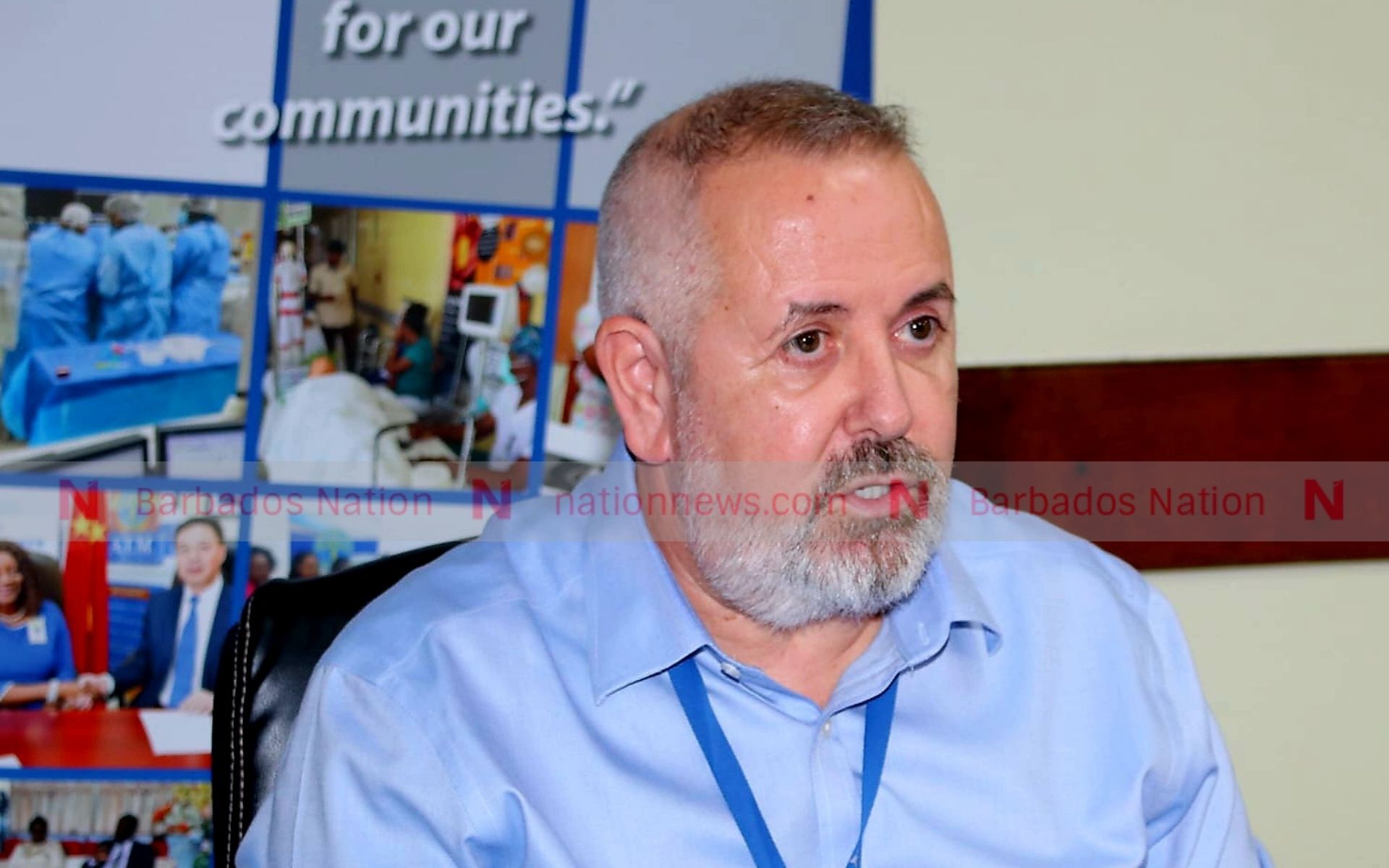

A surge in influenza cases has pushed the Queen Elizabeth Hospital (QEH) to activate a full operational response, as the Accident & Emergency Department demand reaches what officials describe as exceptionally high levels.
Chief Executive Officer Neil Clark said the hospital has intensified coordination, staffing and bed management to ensure patient safety while coping with the pressure.
“So what’s the QEH been doing about this? We’ve activated a full operational response and are continuing to strengthen how patients are managed across the hospital,” Clarke said.
“We continue to prioritise the sickest patients through triage so that those with life-threatening conditions are seen first.”
Clark said daily leadership briefings were being used to trigger rapid escalation where needed. To relieve congestion in A&E, the hospital is also working to free up beds.
“We’re strengthening the daily bed management and discharge planning to free up inpatient beds for the patients coming from A&E, increasing the availability of bed spaces within the hospital,” Clark explained.
Staffing has also been reinforced amid illness-related shortages.
Clark noted that the measures came against the backdrop of a major influenza outbreak and rising admissions, which have slowed care for less urgent cases. He appealed to the public to use emergency services responsibly and protect it for those “who need it the most”.
“Use the A&E for emergencies such as chest pain, severe breathing problems, major injuries, stroke symptoms, serious bleeding or sudden collapse,” he added.
For non-emergency issues, he urged Barbadians to seek care elsewhere.
“For minor illness and injuries please use the polyclinics and the urgent care centres, your family doctor, private clinics or pharmacies where appropriate,” Clarke said.
Despite the strain, he stressed that patient care remained the priority.
“Our clinical and support teams are working around the clock to maintain safety and flow during this exceptionally busy period,” he said. (AM)