

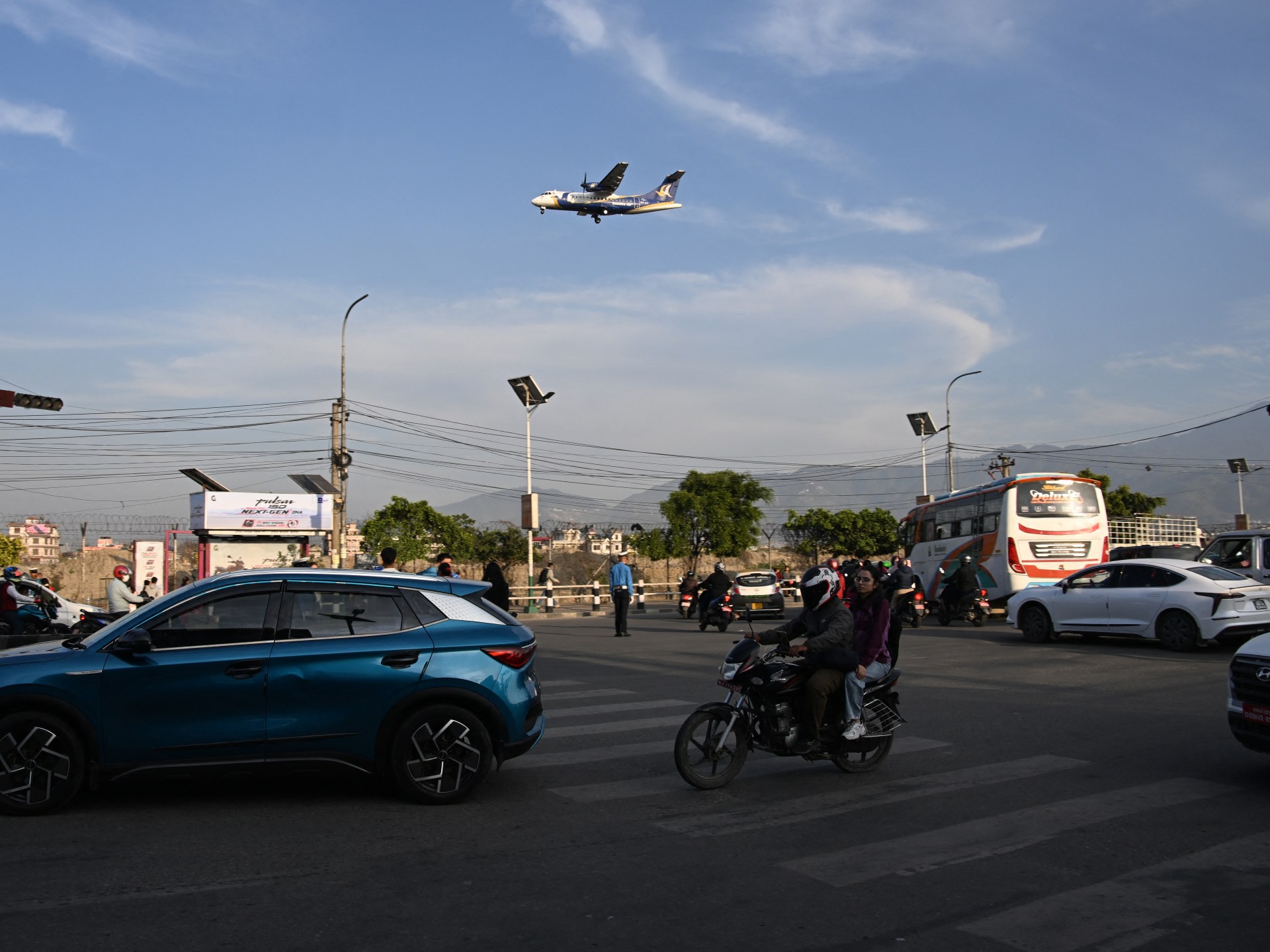

Nepal has cut the working week from six days to five for government offices and educational institutions to cope with the energy crisis caused by the United States-Israel war on Iran.
In an emergency cabinet meeting on Sunday, the government decided to extend the weekend to both Saturdays and Sundays.
- list 1 of 4‘It all depends on the crop’: Gulf crisis hits South Asia farmers
- list 2 of 4Nepal’s ex-PM Oli detained over alleged role in deadly protest crackdown
- list 3 of 4Nepal’s new PM gives message to nation in rap, ahead of swearing in
- list 4 of 4Deaths and debts: Missiles in Gulf shake millions of South Asian families
end of list
“Government offices and academic institutions will remain closed for two days in a week – Saturday and Sunday,” government spokesperson Sasmit Pokharel told reporters.
“Given the present uncomfortable situation caused by fuel supply, the government and educational institutions remain closed for two days,” he said.
Saturday had been the only day off each week for civil servants in the Himalayan nation, where government offices will now operate from 9am to 5pm Monday to Friday.
Pokharel said the government was also exploring legal measures to convert petrol and diesel vehicles to electric power, but gave no further details.

Nepal, a landlocked nation of 30 million people, has no oil wells or other sources of fossil fuel. It relies almost entirely on India for its fuel supplies, leaving it exposed to international price shocks.
It nearly doubled aviation fuel prices on Thursday, and the state-owned Nepal Oil Corp said it had been incurring heavy losses on other petroleum products despite some price hikes.
Nepal began selling half-filled cooking gas cylinders last month to discourage hoarding and panic buying as officials urged the public to cut back on fuel use.
Advertisement
The fuel crisis has raised fears of a new blow to Nepal’s tourism-dependent economy. Steep hikes in the price of aviation fuel have impacted travellers as airline companies operating domestic and international flights have increased airfares.
Tensions in the Middle East have escalated since the US and Israel launched a joint offensive against Iran on February 28. Tehran has retaliated with waves of drone and missile strikes targeting Israel, Jordan, Iraq and Gulf countries, inflicting casualties and infrastructure damage while disrupting global markets and aviation.
Related News
Iran hits industrial zone in southern Israel

Jury finds Meta, YouTube liable for social media addiction: What we know
Palestinians struggle as Gaza endures severe fuel and gas shortages